










.png)





.png)
.png)








 Find us
 Contact Us
 My account

How Long Does it Take to Charge an Electric Car? Typical EV Charging Times
Discover how long it takes to charge an EV and how long it takes to charge an electric car at a fast-charging station, plus tips to charge efficiently.
If you're wondering how long it takes to charge an EV, you're not alone - charging an electric car can range from a quick pit stop to an overnight task, depending on several important factors. For instance, using a public fast charger can significantly reduce wait times but how long does it actually take to charge an electric car at one of these stations?
For context, as of 1 January 2025 there were over 75,000 public EV charging devices in the UK alone, and yet, only around 14,400 of them (just 20%) were rated at 50 kW or above, which are the most powerful chargers giving the shortest charge times. In this guide we’ll break down what typical charging times really look like, from home setups to high-power rapid chargers, and explore the real-world factors that mean your charge times may be faster or slower than you expect.
How long it takes to fully charge an electric car
One of the first questions almost every new EV driver asks is, “how long does it take to fully charge an electric car?” The answer isn’t as simple as filling up a fuel tank, because electric vehicles rely on a dynamic relationship between the battery, charger, and environmental conditions.
Instead of a solid number, the charging time depends on how much energy your car can hold, how much power the charger can deliver, and how efficiently that energy is transferred.
For example, a compact city EV with a 50 kWh battery might reach full charge overnight from a typical home wall box, while a large SUV with a 100 kWh battery could take twice as long using the same setup.


Understanding what influences charging time helps you plan more effectively, whether you’re charging at home, topping up on a long journey, or making the most of public fast chargers.
Luckily, modern EVs are designed to make this process as seamless and convenient as possible, with most drivers rarely needing to “fill” their battery entirely from 0-100%.
We’ll cover practical tips to help you charge more efficiently, especially when you’re relying on a fast-charging station.
Factors that affect EV charging speeds
A few interconnected factors determine how fast your EV charges. Knowing what each one means can help you get the most out of your car’s capabilities and choose the right charging solution for your lifestyle and driving needs.

Battery size (capacity)
An EV’s battery is like its fuel tank but measured in kilowatt-hours (kWh), the amount of energy it can store.
A larger battery holds more energy and therefore takes longer to fill. For example, charging a 100 kWh battery from empty at 7 kW will take roughly 14 hours, while a 50 kWh battery under the same conditions would take around 7 hours.
Battery size directly affects range too. The bigger the battery, the more miles you get but the longer it takes to recharge. Batteries charge fastest when they’re low and slow down as they fill up because of the way that electrons move about and occupy battery space.

Charging power
The speed of the charger, commonly expressed as kilowatts (kW), dictates how quickly energy flows into the battery.
Home wall boxes usually provide between 7 and 11 kW, suitable for overnight charging. Public rapid chargers, however, deliver 50 kW or more, while ultra-rapid chargers can exceed 150 kW, replenishing most of a battery in under 30 minutes.
But it’s important to remember that not every car can take advantage of high-output chargers. Each model and battery has its own maximum charge rate, so even if you connect to a 350 kW charger, your car might only draw in 100 kW if that’s its upper limit.

Vehicle efficiency and onboard charger limits
Each EV has an onboard charger that converts AC power (from a wall box) into DC power stored in the battery.
The rating of this onboard charger caps how fast you can charge at home, for instance, a car with a 7.4 kW onboard charger won’t gain any benefit from being plugged into an 11 kW supply.
Efficiency also varies between vehicles, meaning two cars using the same charger can gain different amounts of range from the same charge.

Environmental conditions
Similar to the way that hot or cold conditions affect the performance of a combustion engine, temperature plays a vital role in charging performance too.
Batteries prefer moderate conditions, roughly between 15°C and 25°C. In cold weather, charging slows down because the battery’s chemical reactions are less efficient.
Many modern EVs counter this with a process known as battery preconditioning, which warms or cools the battery to its ideal temperature before charging begins, improving both speed and efficiency.
How much range do you get per hour of charging?
Instead of thinking in terms of “hours to full,” it’s often more useful to consider how much driving range you gain per hour of charging. The numbers vary depending on both the charger and the car’s efficiency:
|
Charger Type |
Power Output |
Typical Range Added per Hour* |
|---|---|---|
| 3-pin domestic plug | 2.3kW | 6-8 miles |
| Home wall box | 7.4kW | 20-30 miles |
| Three-phase wall box | 11-22kW | 30-60 miles |
| Public rapid charger | 50kW | 150 miles |
| Ultra-rapid charger | 100-350kW | 100 miles in 10-20 minutes |


What is top-up charging?
Unlike filling a petrol or diesel tank, most EV owners rarely charge from empty to full. Instead, they “top up” their batteries throughout the day, for example, while parked at work or shopping.
This approach keeps the battery within its optimal charge window (often between 20% and 80%), extends battery life, and ensures you almost always have enough range for daily needs.
Top-up charging also means your vehicle is drawing smaller amounts of electricity more often, reducing the need to plan around long charging sessions.
Typical charging times for different types of electric cars
To give you an idea of how long cars of different sizes take to charge under different conditions, we’ve compared a range of models using both home and rapid charging setups:
|
Model |
WLTP Range (Miles) |
0-100% (7.4kW Home Charger) |
10-80% (100kW Rapid Charger) |
Fiat Plug-in Hybrid Cars |
|---|---|---|---|---|
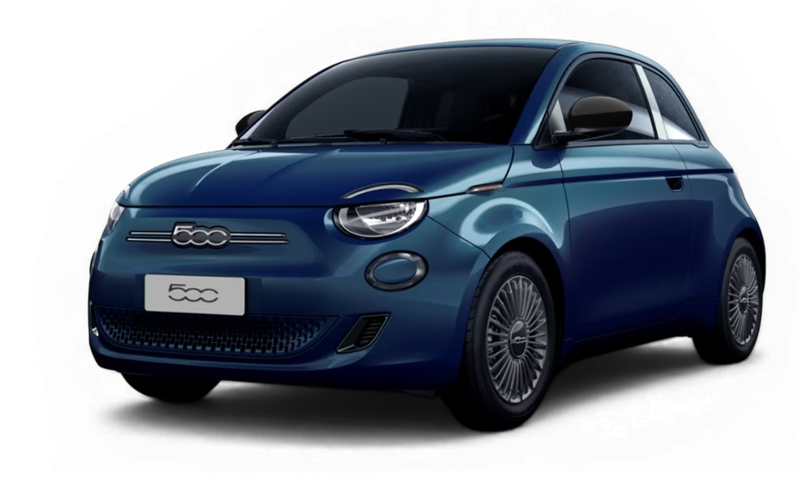
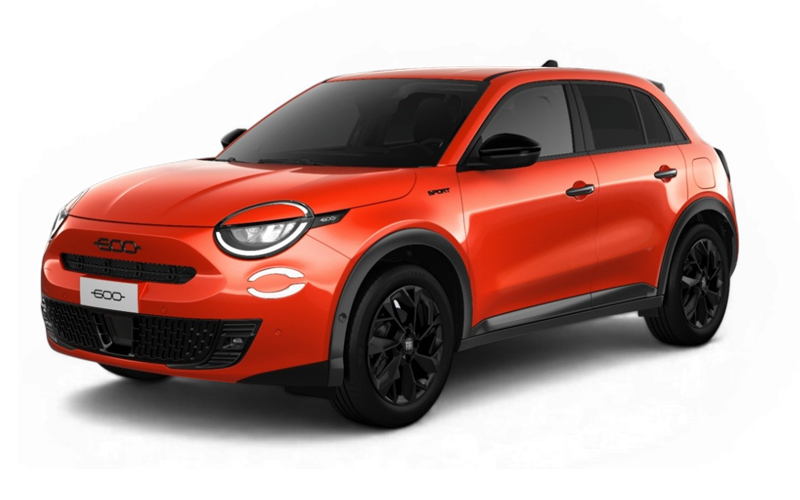
| Fiat 500e | 199 | 6 hours | 30 mins | 25 miles |
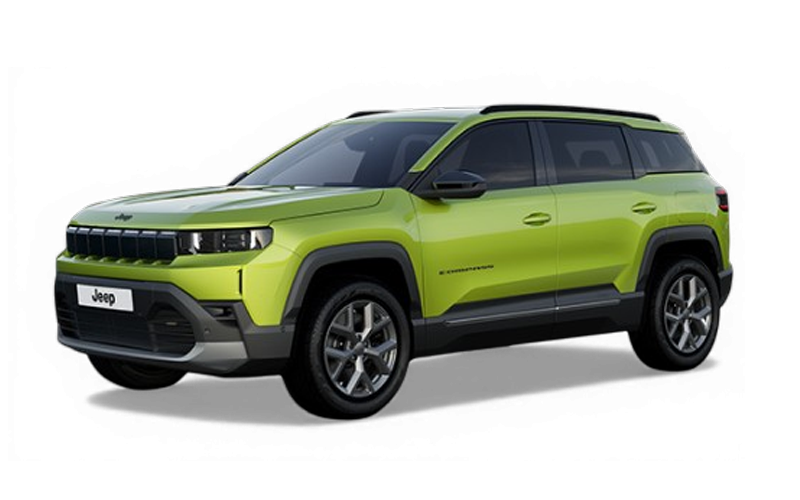
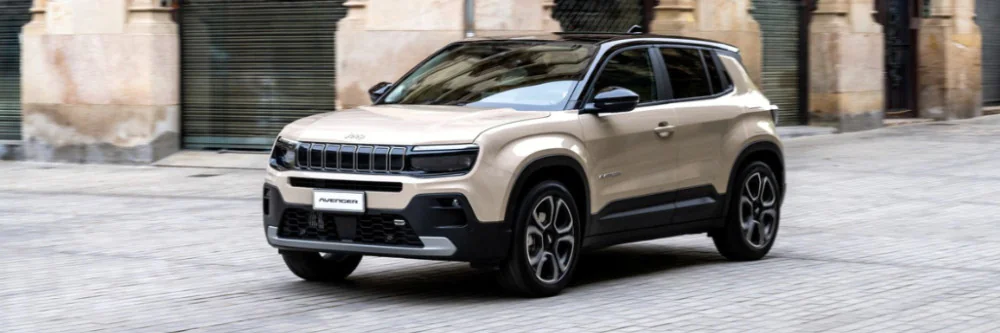
| Jeep Avenger | 249 | 7.5 hours | 28 min | 28 miles |
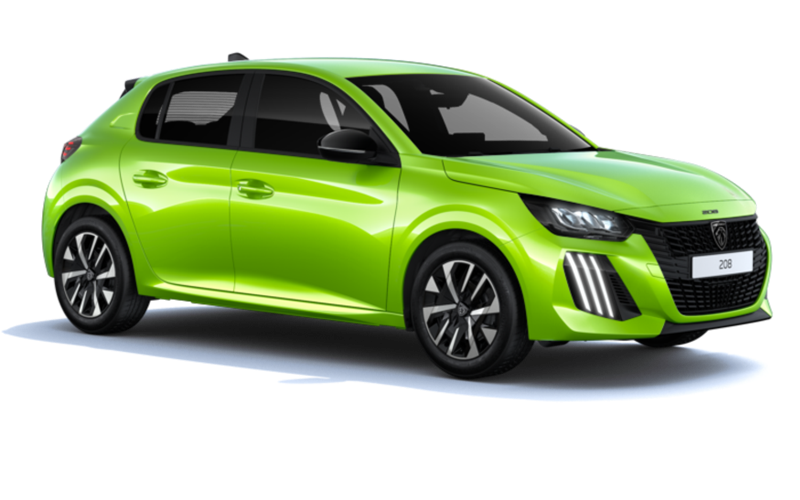
| Peugeot E-208 | 248 | 7 hours | 28 min | 27 miles |
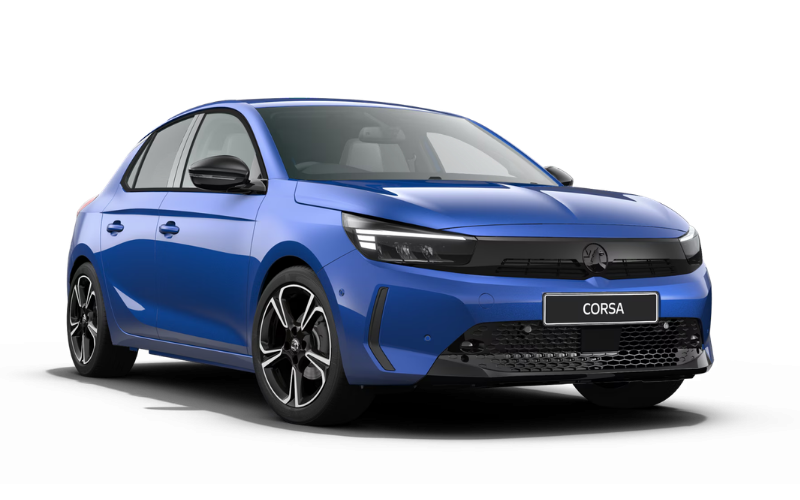
| Vauxhall Corsa Electric | 246 | 7 hours | 28 min | 27 miles |
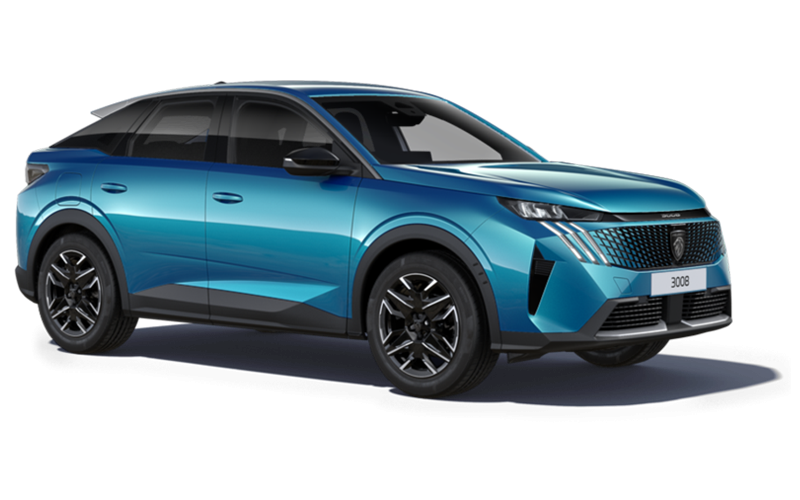
| Peugeot E-3008 Long Range | 435 | 14 hours | 35 min | 30 miles |
Go electric with Stellantis &You, sellers you can trust
Ready to experience the convenience of electric driving for yourself?
Explore our full range of cars and find the model that suits you at the right price today.
Already own a vehicle and looking for a trade-in or to sell? Value your car in just a few clicks and see how easy it is to make the switch.
Get in touch with us today if with any questions you have about making the switch to an electric vehicle. Our team is always on standby ready to help.

Terms & Conditions
*Note: these are average charging times based on available data, exact numbers will vary depending on model and age of your car, weather conditions and type of charger you use.