









.webp)








.webp)
.webp)













 Find us
 Contact Us
 My account

Latest Car Technology Trends
Discover the latest innovations driving advanced car technology in 2026 and beyond.
Car Technology & Automotive Industry Trends for 2026: Software-Defined Vehicles, Future EV Batteries & Next-Gen Car Tech
Car technology is transforming the automotive industry at an unprecedented pace, reshaping everything from how vehicles are manufactured to how they function on the road. Some innovations like heated seat subscriptions have sparked debate, while others are delivering major benefits including more affordable electric vehicles, smarter connectivity and advanced safety systems. Technologies like automatic emergency braking, AI-powered driver assistance, and autonomous driving also have the potential to dramatically improve road safety as they continue to evolve.
With innovation accelerating so quickly, staying on top of the latest car technology trends can feel overwhelming. We’ve rounded up some of the most important advancements in 2026 that will shape the future of mobility in the years ahead.

Software defined vehicles (SDVs)
One of the most exciting 2026 technology trends in the automotive industry is the explosive rise of software-defined vehicles (SDVs). These next-generation vehicles are transforming cars into intelligent machines powered by advanced software that controls everything from braking and steering to AI-driven driver assistance and in-car entertainment. SDVs are designed to evolve through continuous software updates, allowing manufacturers to introduce new features, improve performance and enhance the driving experience long after the vehicle leaves the factory.
As next-gen car tech becomes increasingly digital, manufacturers are racing to accelerate development and enable faster and more seamless software updates. This also marks a major shift in how vehicles are built, maintained and upgraded. As car technology moves towards a software-first future, manufacturers are also being forced to rethink production strategies and operational planning to stay agile, allocate resources effectively and keep pace with the modern demands of intelligent transport.
Future EV battery technology
EV battery technology is evolving as manufacturers look for cheaper, safer, more durable and efficient systems that can improve range, performance and scalability. In 2026, lithium iron phosphate (LFP) batteries are becoming increasingly common in lower-range and more affordable EVs, alongside traditional lithium-ion chemistries such as nickel-manganese-cobalt (NMC) and nickel-cobalt-aluminium (NCA). LFP batteries are generally more cost-effective because they do not rely on expensive materials such as cobalt and nickel. They also offer greater durability, more charge cycles and improved thermal stability, helping to reduce the risk of overheating.
However, LFP batteries do have some trade-offs. Their lower energy density means vehicles typically offer less range than those using higher-energy-density alternatives, making them more suited to affordable EVs where long-range driving may be less of a priority. They can also charge more slowly in cold conditions, although this varies depending on the vehicle’s battery management system and its ability to precondition or heat the battery.


Hi-tech EV charging innovations
EV charging technology is entering a new era of innovation, with the future of electric mobility becoming faster, smarter and more connected. As EV adoption continues to grow, investment in public charging infrastructure is accelerating across supermarkets, workplaces and motorway service areas to support rising demand. At the same time, ultra-fast chargers delivering 150kW+ are making charging significantly quicker, with some systems capable of recharging vehicles from 10% to 80% in under 20 minutes.
New innovations are also transforming how EVs interact with the energy grid. Smart charging and Vehicle-to-Grid (V2G) technology allow vehicles to both draw and return electricity, helping improve energy efficiency and reduce costs. Wireless charging solutions and even dynamic charging roads are also gaining momentum, while greater integration with renewable energy sources will help make EV charging cleaner and more sustainable over the next decade.
Enhanced vehicle connectivity
According to Yahoo! finance, the value of the global connected vehicle technology market is set to grow from USD 45.3 billion in 2025 to around USD 129.2 billion by 2035. This growth is being driven by the increasing adoption of advanced driver assistance systems (ADAS), which enhance safety, navigation and real-time driver awareness, alongside the shift toward fully connected vehicles capable of remote diagnostics, live data exchange and over-the-air updates.
The rollout of 5G networks is fuelling the transformation by enabling low-latency vehicle-to-everything (V2X) communication, smarter fleet management and next-generation infotainment. In parallel, electric vehicles and digital platforms are making connectivity central to battery management, telematics, and operational efficiency, while commercial fleets use these systems for route optimisation and cost reduction.


In-vehicle car technology
In-vehicle technology is advancing rapidly in 2026, with major developments in cockpit design, user experience and advanced driver-assistance systems (ADAS). Modern cars are increasingly becoming ‘computers with wheels’, combining intelligent software, immersive displays, voice-enabled AI and sensors that monitor the cabin and surrounding environment. Dual-screen dashboards and expansive infotainment systems are also becoming more common, creating a more connected and personalised driving experience.
Some of the latest innovations are taking this further, with augmented reality (AR) technology capable of transforming the windscreen into a digital display. Using Vision AI, these systems can project navigation guidance and safety alerts directly into the driver’s line of sight, while also providing passengers with personalised content through in-cabin screens. Features such as real-time translation and tailored entertainment recommendations are helping make journeys more connected and intuitive.
AI-powered vehicle maintenance
AI-powered assistants are changing vehicle maintenance by allowing technicians to instantly access troubleshooting knowledge through simple natural language questions. Leading manufacturers are already embracing the technology to help teams diagnose and resolve issues faster by turning years of factory data into an accessible resource.
Rather than replacing technicians, these AI solutions boost efficiency by quickly answering questions like “Have we seen this fault before?” and highlighting proven fixes that significantly cut troubleshooting times and help to avoid repeat equipment faults. It’s a potentially game-changing tool for smarter automotive manufacturing in 2026 and beyond.


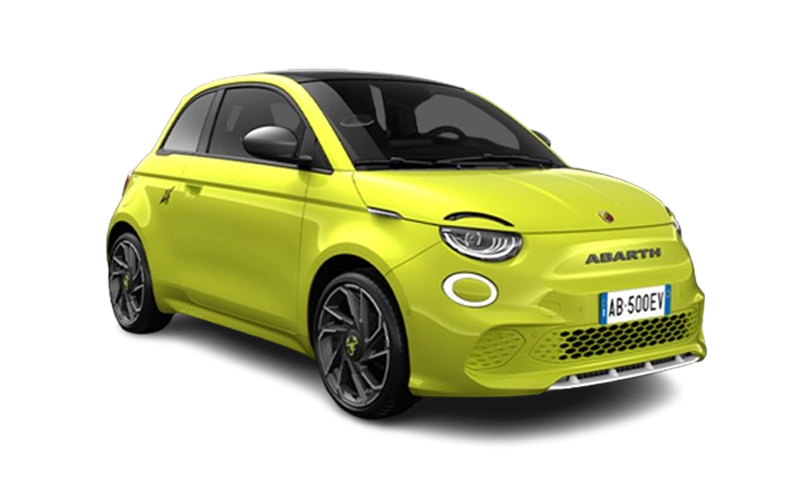
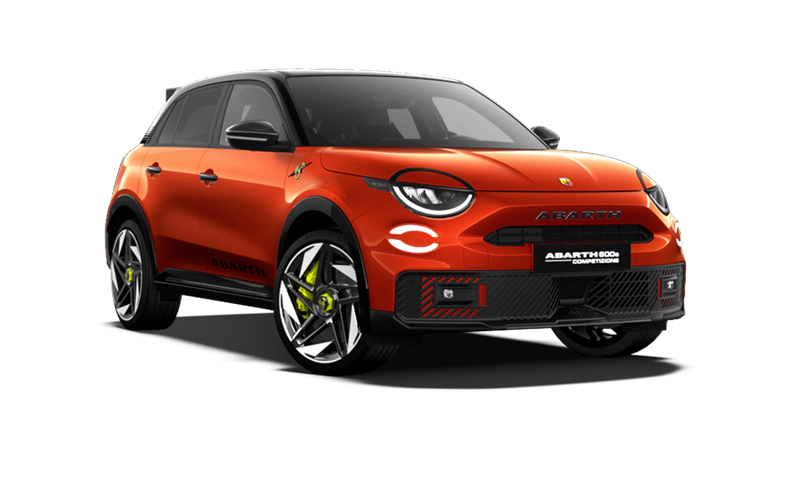
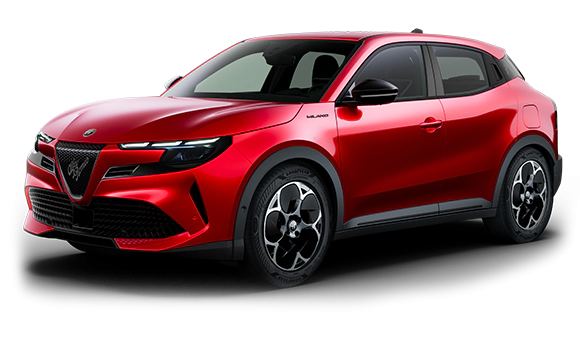
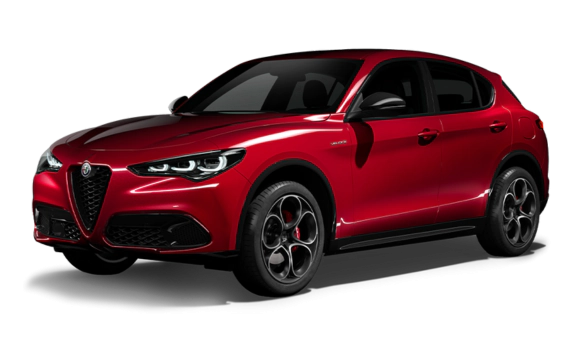
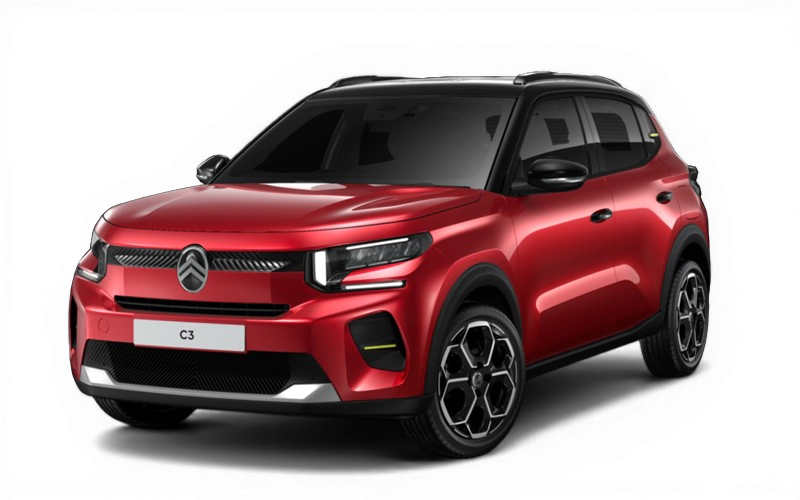
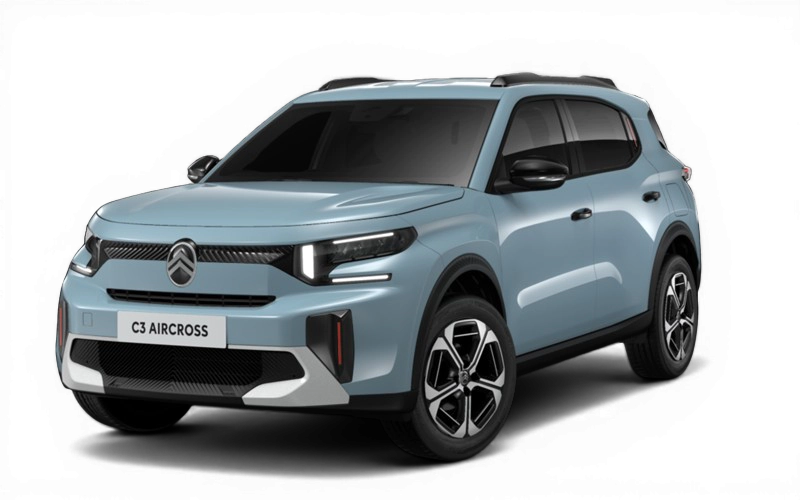
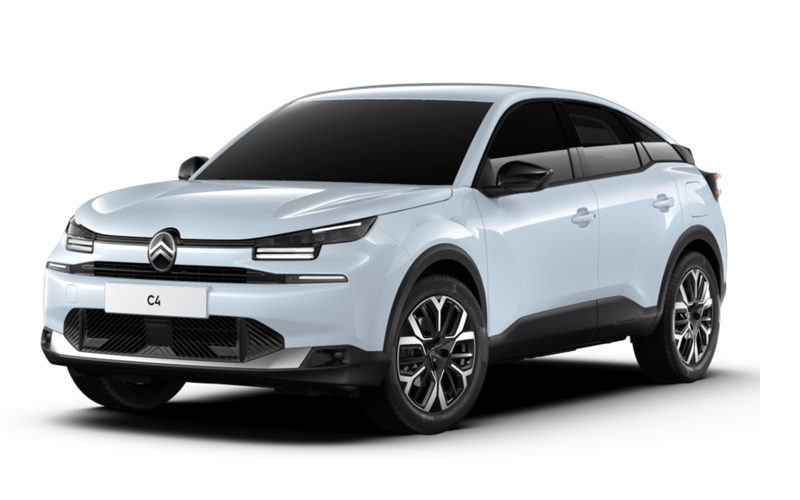
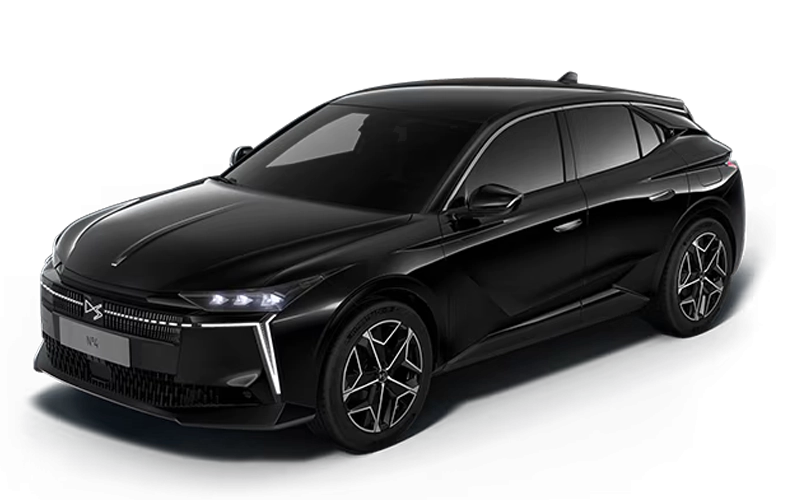
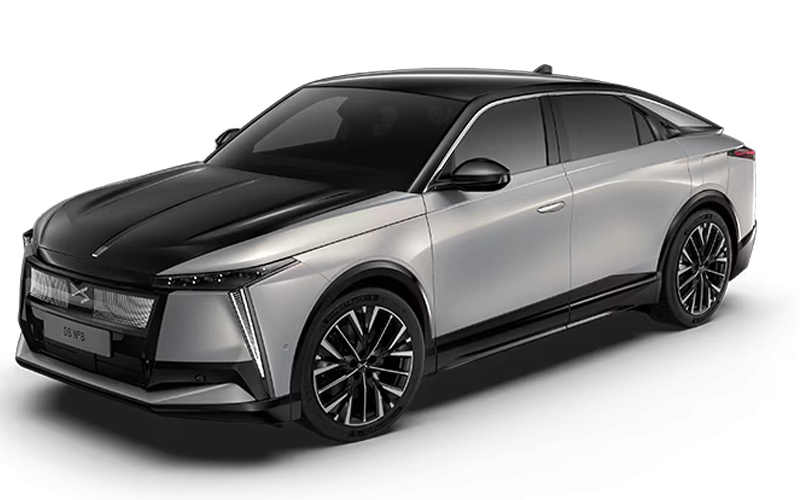
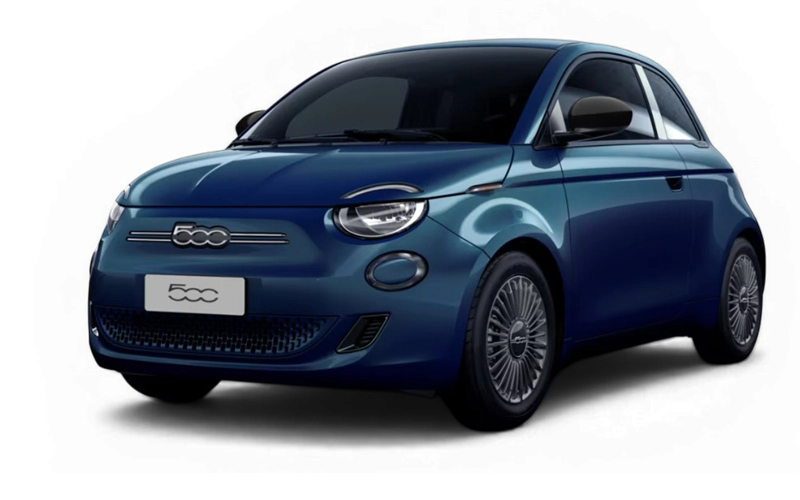
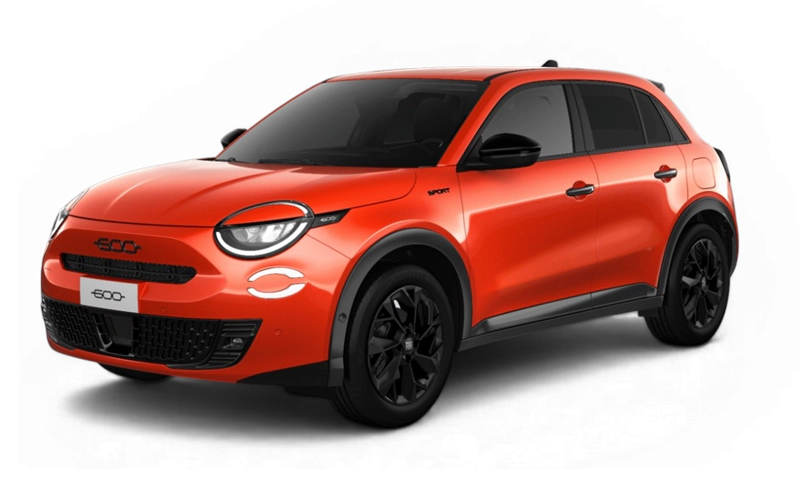
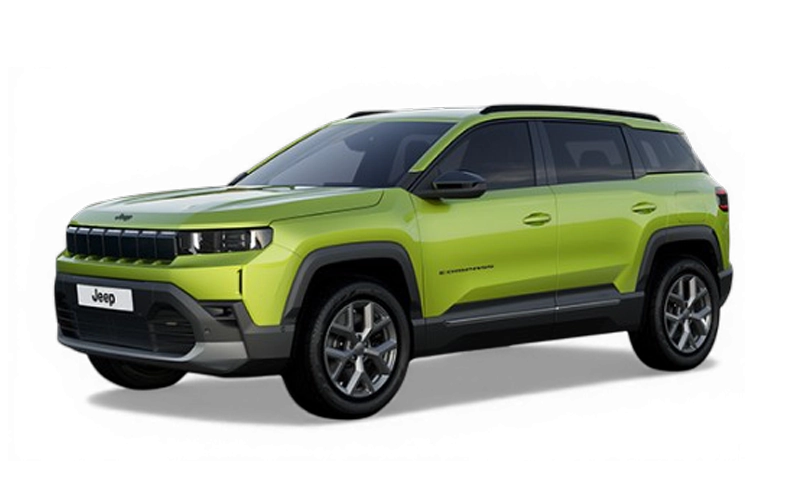
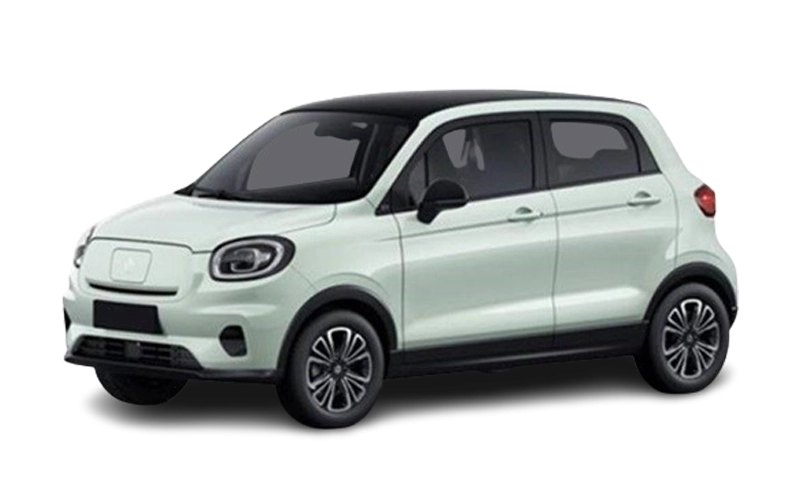
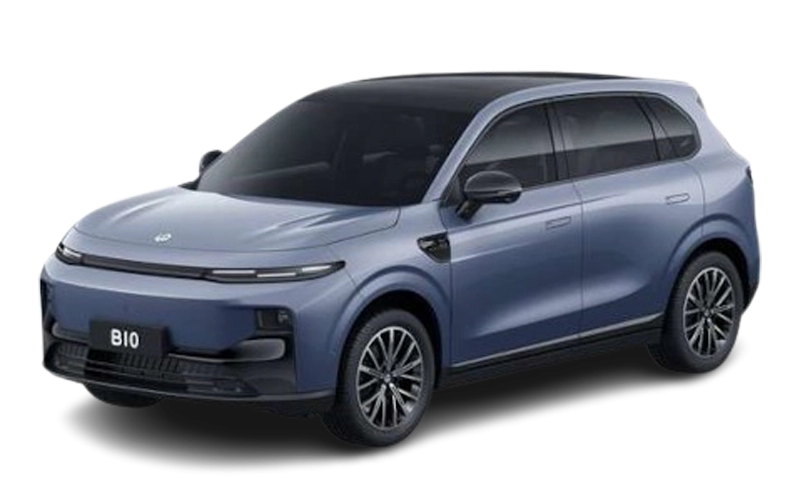
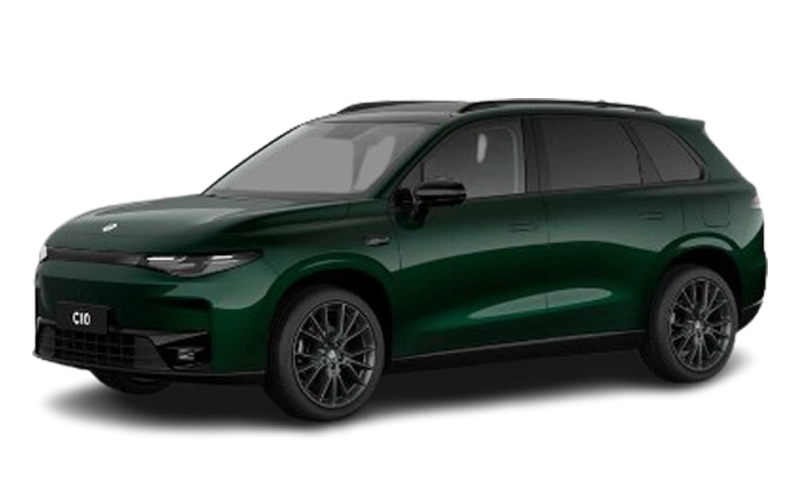
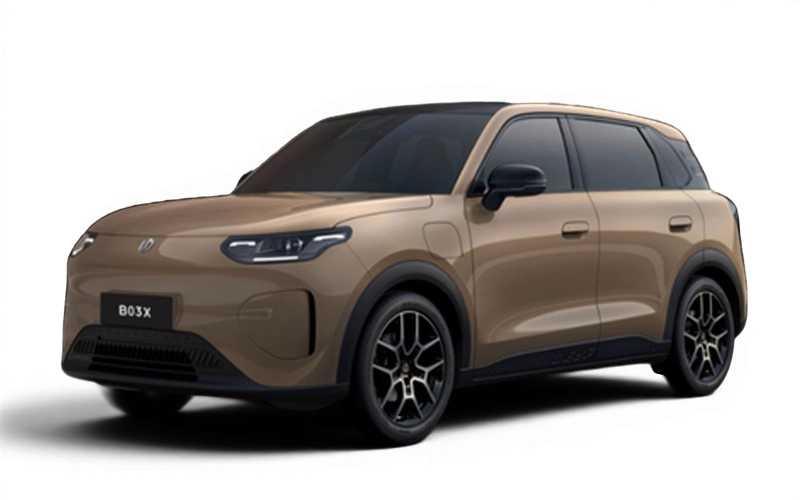
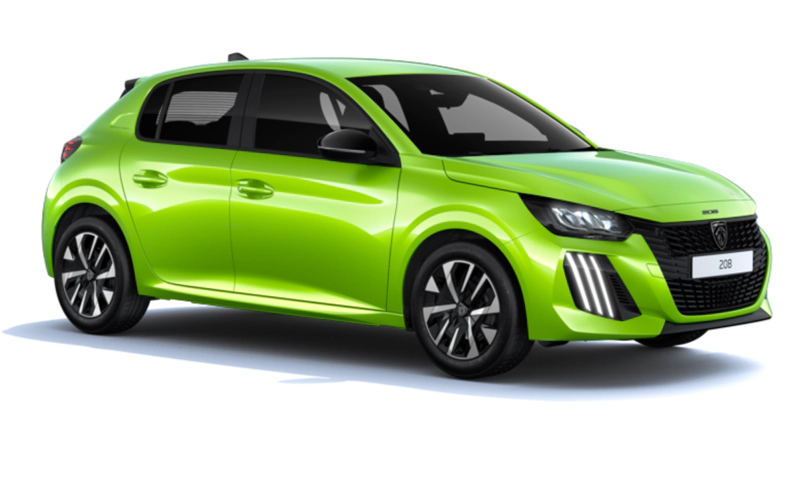
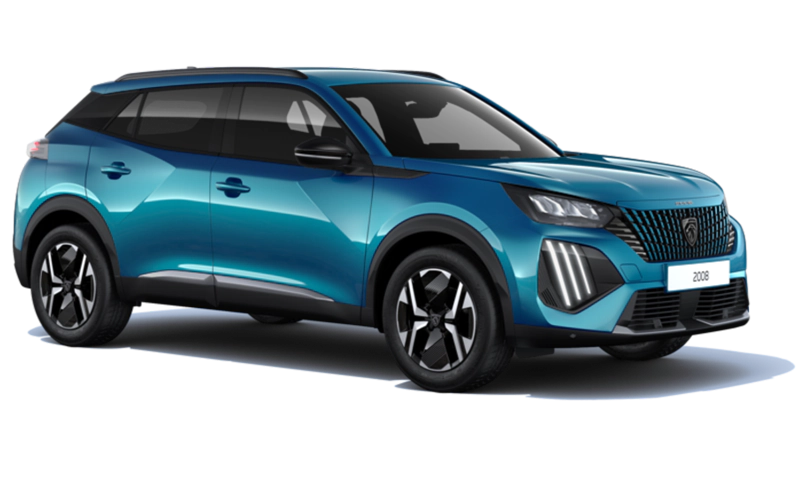
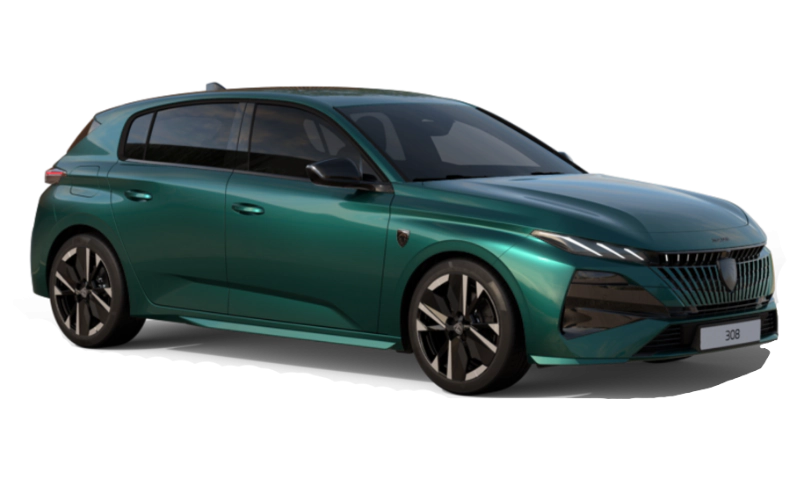
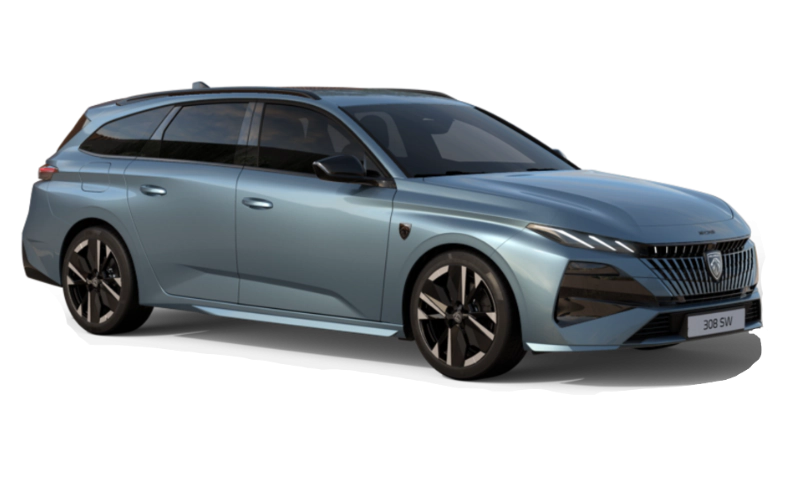
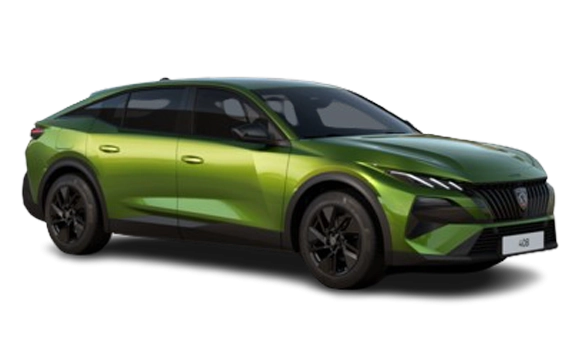
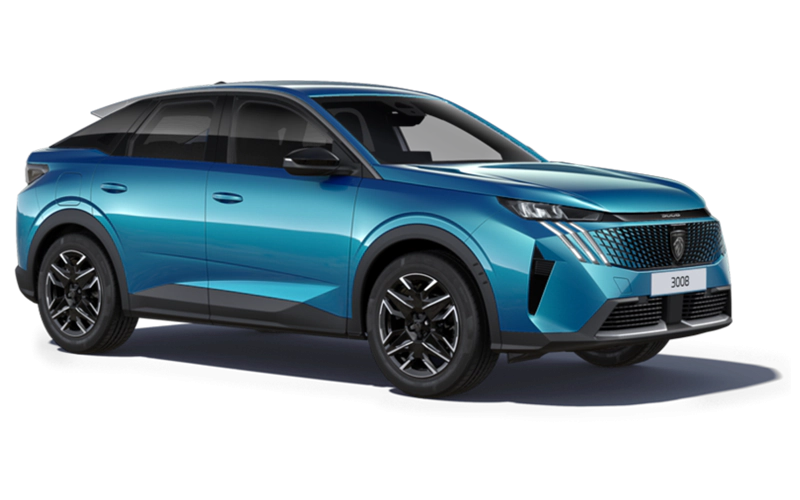
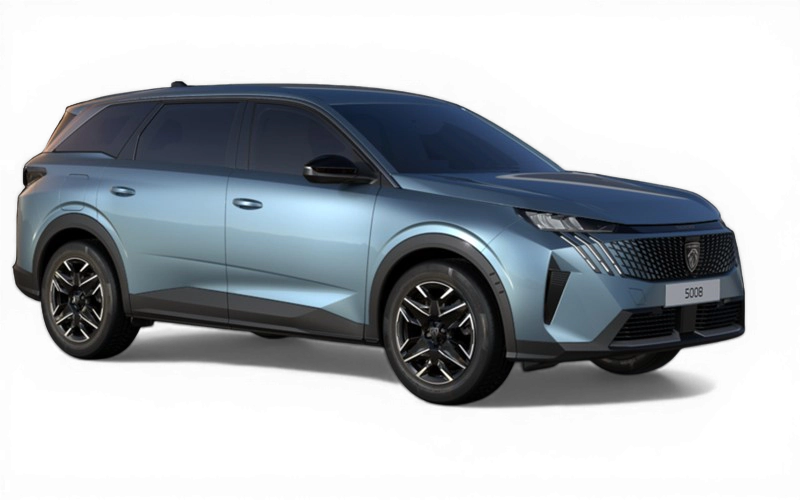
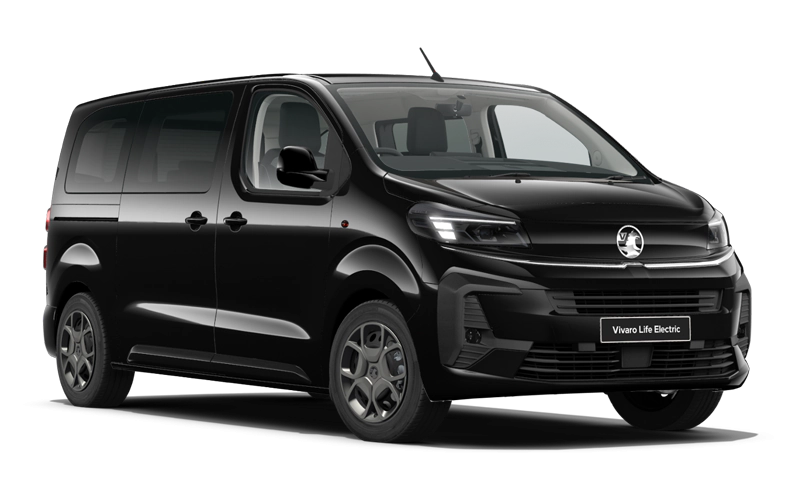
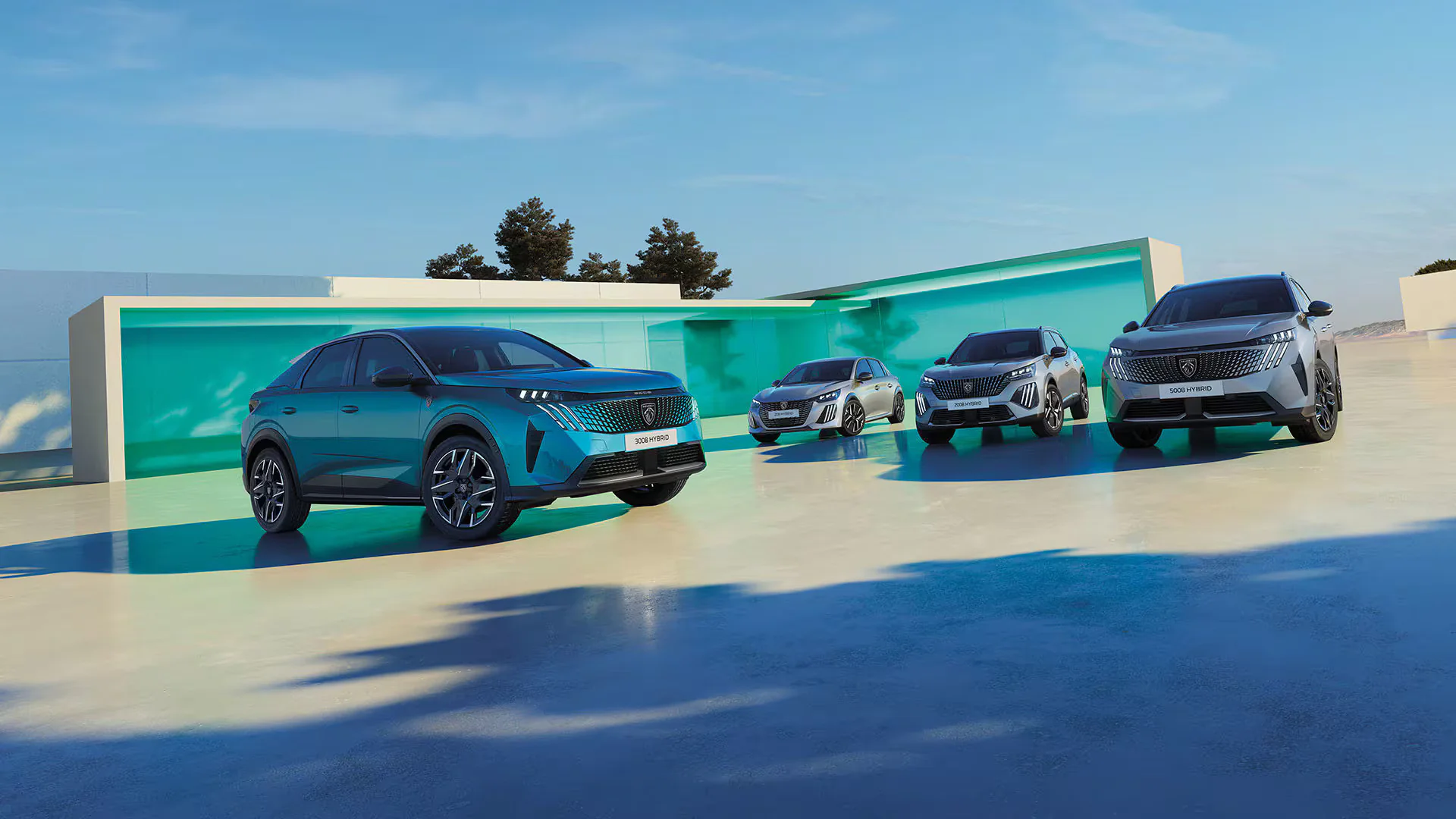
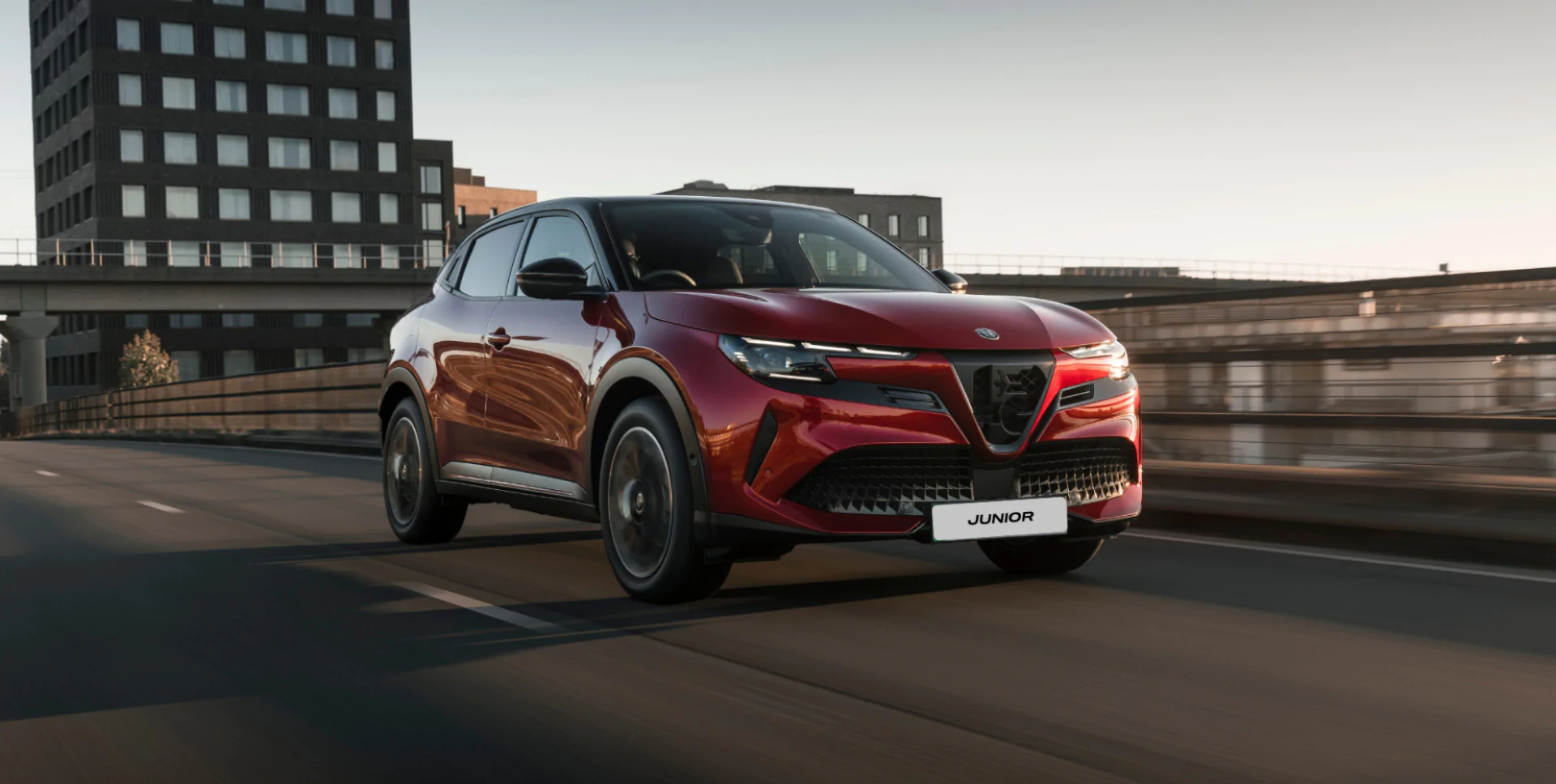
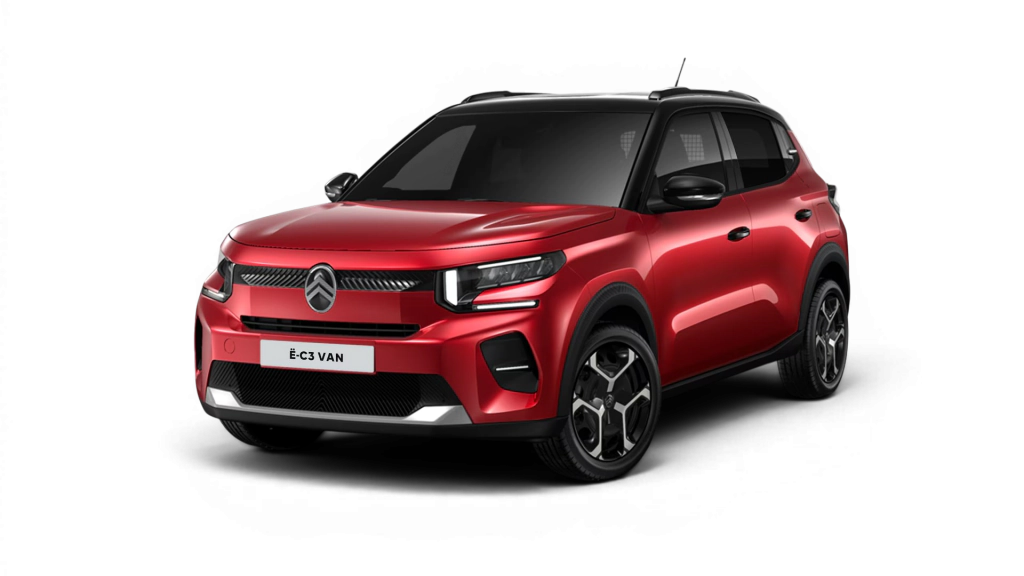
In 2026, Stellantis is continuing to roll out a new generation of vehicle technologies across its brands, including Abarth, Alfa Romeo, Citroën, DS Automobiles, Fiat, Jeep, Leapmotor, Peugeot, and Vauxhall, with a strong focus on electrification, connectivity and everyday usability. Overall, these updates are designed to make driving safer, more efficient and more convenient, while lowering long-term running costs for everyday users.
A key area of development is the advancement of e-powertrain systems, which are delivering improved efficiency, smoother performance and lower running costs for drivers. By using shared platforms across brands, Stellantis is also able to accelerate innovation while making electric and hybrid vehicles more accessible and affordable.

Connectivity and in-car technology are also evolving quickly, particularly through updates to systems like the Peugeot i-Cockpit, which now features more advanced digital displays, real-time navigation, voice control and over-the-air updates.
Across other brands, infotainment systems are being refined to suit different driving needs, from Citroën’s comfort-focused interfaces to Fiat’s compact urban solutions and Jeep’s enhanced off-road connectivity features. At the same time, advanced driver assistance systems such as lane keeping, adaptive cruise control and automatic emergency braking are becoming more widely available, improving safety and reducing driver stress.

Sample the latest car technology with a 24-hour EV test drive
Experience electric driving with a 24-hour test drive from your local Stellantis &You UK dealership.
Discover cutting-edge technology, effortless performance and innovative features across a wide range of electric vehicles, including plug-in hybrid and mild hybrid models, from stylish hatchbacks to versatile SUVs. Contact us today and begin your EV journey.