




































 Find us
 Contact Us
 My account

POWER UP FOR PENNIES
18 August 2022
We know that in this cost-of-living crisis, many people are thinking hard about how they can reduce their day-to-day expenses. Naturally, the money you spend on travel and fuelling or powering up your car is going to play a part in this.
The switch to EVs is an important part of the evolution of the travel and transport sectors – and we’re seeing widespread adoption of electric cars and plug-in hybrid cars across the nation, as these can not only help the planet, but also our pockets too.
With this mind, we’ve done research into different electric car charge options that are currently available to most drivers. We’ve then looked at average mileage to see how much money people could save if they altered how, when and where they plug in and power up their electric or hybrid car.

Electric car charging and driving habits
In our research, we discovered that most electric car drivers will charge up their car overnight at home every day. This is known as ‘top up’ charging.
While each vehicle and every journey is different it is currently estimated that many EVs will provide a conservative average of 2.4 miles of distance for every kWh of electricity.
UK motorists are also estimated to drive an average of 20 miles per day in their cars, which is 142 miles per week, 617 per month or 7,400 per year*.
At home charging costs
Most home chargers have a power rating of 3.7-7kWs. That means that they can usually add between 15 and 30 miles of charge to your electric car in an hour. Essentially, they’re best for long, slow charges rather than quick top ups.
|
|
Slow (3kW) |
Fast (7-22kW) |
Rapid (50kW) |
|
Charge time (from empty to 80% charge of a 60kW battery) |
8 hours |
2-4 hours |
30 minutes |
|
Vehicle range added in 15 mins (based on an average EV efficiency of 2.42 miles per kWh) |
3-6 miles |
7-15 miles |
35-40 miles |
Following the energy price increase in April 2022, the average cost per kWh in UK homes is 28p. Again, this does vary geographically though as the average is 25.8p in the North East of England but 28.2p in London. It’s worth checking with your provider to see what rate you’re on.
UK Electricity Prices Per kWh (After the price cap increase, April 2022)
|
Location |
Price |
|
North Scotland |
£0.266 |
|
South West |
£0.271 |
|
Merseyside & North Wales |
£0.282 |
|
South Wales |
£0.269 |
|
South East |
£0.265 |
|
London |
£0.282 |
|
UK |
£0.280 |
|
North West |
£0.267 |
|
North East |
£0.258 |
|
West Midlands |
£0.265 |
|
East of England |
£0.278 |
|
South Scotland |
£0.265 |
|
Yorkshire & The Humber |
£0.261 |
|
East Midlands |
£0.263 |
If we combine the average mileage with the average cost per kWh, then we can estimate that it’s going to cost most electric car drivers with at-home chargers around £2.33 to top up and it’ll probably take just over an hour to do this.
- Per Day: £2.33
- Per Week: £16.33
- Per Month: £70.87
- Per Year: £850.45
Price for Average Daily Charge (at Home)
|
Location |
Price Per Day |
Per Week (Based on Daily Top Up Charging at Home) |
|
North Scotland |
£2.22 |
£15.52 |
|
South West |
£2.26 |
£15.81 |
|
Merseyside & North Wales |
£2.35 |
£16.45 |
|
South Wales |
£2.24 |
£15.69 |
|
South East |
£2.21 |
£15.46 |
|
London |
£2.35 |
£16.45 |
|
UK |
£2.33 |
£16.33 |
|
North West |
£2.23 |
£15.58 |
|
North East |
£2.15 |
£15.05 |
|
West Midlands |
£2.21 |
£15.46 |
|
East of England |
£2.32 |
£16.22 |
|
South Scotland |
£2.21 |
£15.46 |
|
Yorkshire & The Humber |
£2.18 |
£15.23 |
|
East Midlands |
£2.19 |
£15.34 |
There are ways you could reduce this though. Many money experts such as Martin Lewis have recommended electric car owners explore if they could save money by switching to a special ‘EV tariff’ or an ‘off-peak tariff’.
While these can vary, how they typically work is to provide the household with a set number of hours overnight during which their electricity price per kWh is a lot lower.
For example, one of these tariffs may provide you with up to 35 hours of off-peak electricity per week, used between 12am and 5am and the price per kWh could drop to £0.062. This has the potential to save drivers £1.81 per day, £12.67 per week or £658 per year.
There are a few things to keep in mind though:
- Most providers will only switch existing customers to these off-peak tariffs
- If you use a lot of electricity during the day then the total cost could work out more, as typically your ‘peak’ price per kWh is higher. It’s worth asking you provider to help you work out what could be best for you
- If you don’t yet have an at-home connector then you will need to factor in the price of one of these into your calculations. There is a lot more information about home connectors and approved installers on the Zap Map website.
If you’re worried about having to get up in the night to switch your charger on too, then don’t panic – many charge points can be scheduled to switch on overnight via an app!
Finding free chargers near you
It’s easy to find free chargers in your local area via the Zap Map app. You just need to put in your address and then filter to ‘free’ in the payment options.
To help motorists across the UK work out just how easy it could be to charge up their electric car for free in their local area, we’ve done some further research.
We compared latest data on registered electric cars per town and city, with figures from Zap Map on the number of public connectors and free-to-use connectors. This has enables us to create a table of the easiest places to charge up for free – essentially considering how many local electric cars you may need to ‘share’ each free connector with, and what percentage of the local public connector network is no-cost too.
We found that Glasgow looks to be the easiest place for local electric car drivers to power up close to home, as there are estimated to be just eight electric cars per free charger in the Scottish city. Overall, more than 80% of all the public chargers in Glasgow are reported to be free to use.
Glasgow was closely followed by Stirling (nine electric cars per free charger), Norwich (10:1) and Brighton & Hove (also 10:1).
In contrast, Harrogate (367 ELECTRIC CARs per free charger), Tamworth (352:1), Chichester (328:1), Wokingham (291:1) and Derby (246:1) were at the bottom of the table, suggesting motorists here could struggle to find a free connector to use on a regular basis.
Choosing an electric car that’s right for you
So, we’ve worked out that there are cost savings to be made on powering up your electric car if you’re prepared to switch up your routine a bit or change your electricity provider at home. But how do you decide which vehicle to get? Well, we can help with that too!
Of course, every model whether fully electric or a plug-in hybrid cars is going to be different and one of the core criteria to consider is the battery size and estimated range – you need to work out how much range you ideally need and think about how you’ll charge up too.
Here at Robins & Day by Stellantis &You UK we have an extensive range of electric and hybrid vehicles available.
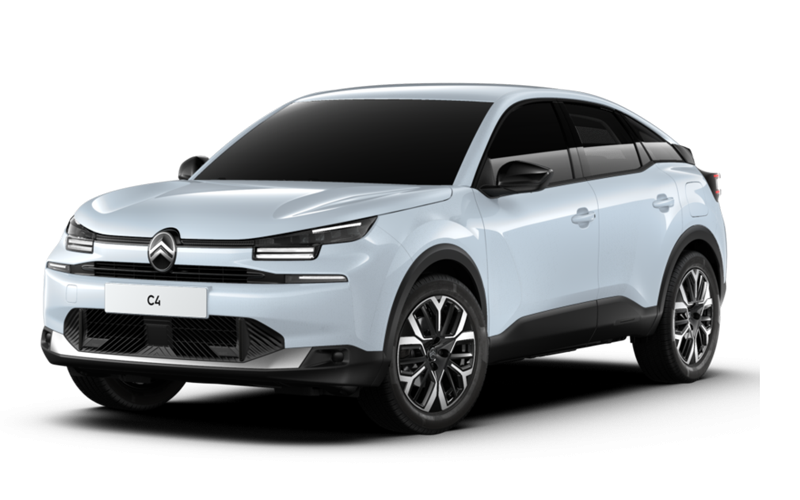
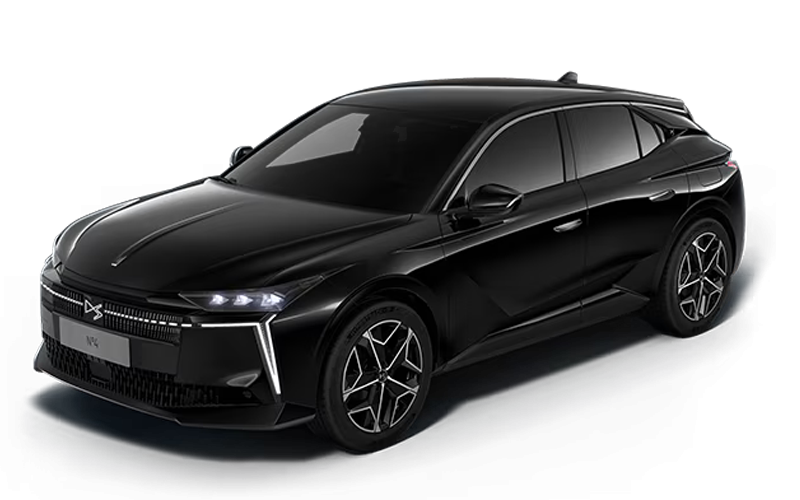
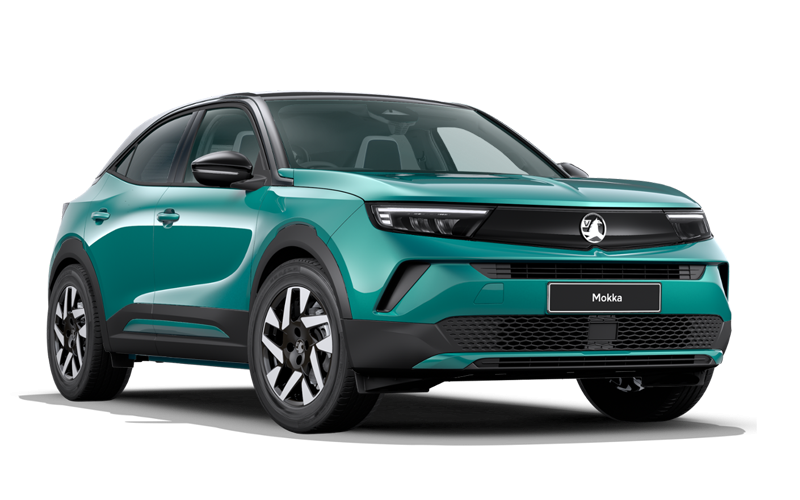
From the all-electric Citroën e-C4 and the Vauxhall Mokka-e which both have 100kW batteries, to the new DS 4 e-tense which is a plug-in hybrid with a smaller range. Why not book an electric test drive experience with us?
Our study sources and methodology
Sources
Average miles per year:
At home charging costs:
- https://www.zap-map.com/tools/home-charging-calculator/ https://www.edfenergy.com/electric-cars/costs
- https://powercompare.co.uk/electricity-prices/
- https://www.nimblefins.co.uk/average-cost-electricity-kwh-uk#nogo
- https://lovemyev.com/explore/ev-tariffs/ev-tariffs
- https://pod-point.com/guides/driver/how-long-to-charge-an-electric-car
- https://www.moneysavingexpert.com/utilities/ev-energy-tariffs/
- https://evocharge.com/resources/can-you-schedule-your-ev-charges
- https://pod-point.com/electric-car-news/charge-scheduling
- https://www.chargepoint.com/resources/how-schedule-charging-chargepoint-home
- https://energysavingtrust.org.uk/advice/charging-electric-vehicles/
Different charger speeds:
- https://www.motoringelectric.com/charging/difference-between-slow-fast-rapid-charging/
- https://www.myev.com/research/ev-101/electric-vehicle-battery-basics
- https://www.techradar.com/uk/news/ev-battery-size-charge-speeds-and-range-explained
EV batteries:
Public charging costs:
- https://www.zap-map.com/tools/public-charging-calculator/
- https://pod-point.com/guides/driver/cost-of-charging-electric-car
- https://www.zap-map.com/charge-points/public-charging-point-networks
- https://electricbrighton.com/news/uk-public-ev-charging-networks-price-comparison-january-2021
- https://chargeplacescotland.org/tariff/april-tariffs/
- https://electricbrighton.com/news/uk-public-ev-charging-networks-price-comparison-january-2021
- https://energysavingtrust.org.uk/grants-and-loans/street-residential-chargepoint-scheme/
Residential charging costs:
- https://www.zap-map.com/charge-points/public-charging-point-networks/tesla-network/
- https://energysavingtrust.org.uk/grants-and-loans/street-residential-chargepoint-scheme/
- https://www.gov.uk/government/publications/grants-for-local-authorities-to-provide-residential-on-street-chargepoints/grants-to-provide-residential-on-street-chargepoints-for-plug-in-electric-vehicles-guidance-for-local-authorities#minimum-payment-method
Free charge providers:
- https://www.zap-map.com/free-ev-charging-points-where-are-they
- https://www.forbes.com/sites/carltonreid/2022/04/20/fifth-of-uks-electric-vehicle-charging-points-still-free-to-use/?sh=5c5efc4c7fb5
- https://www.autoexpress.co.uk/tips-advice/357990/free-electric-car-charging-and-where-find-it
Latest charging stations nationwide:
- https://www.zap-map.com/live/
- https://www.gov.uk/government/statistics/electric-vehicle-charging-device-statistics-april-2022
- https://maps.dft.gov.uk/ev-charging-map/index.html
Number of registered ULEVs per quarter:
Methodology
At home charging costs:
- We referred to latest figures on the cost per kWh both nationally and regionally (from after the price rise in
- April 2022)
- We then looked at the average distance travelled in an EV per kWh
- We combined these data points with insight on average mileage
- We used this to reveal the average cost to charge up enough for daily mileage and per week
- This is based on averages only and will vary by driver and vehicle
Public charging costs:
- We combined data (from various sources) on the cost per kWh to charge, with average mileage
- We used this to reveal the average cost to charge up enough for daily mileage and per week
- We applied the same formula to the figures relating to residential charging costs
Free charging devices by UK town & city:
- We began by collating a list of 81 major towns and cities across the UK - we tried to get a balance geographically
- We used latest .Gov data to note down the number of public EV charging devices (all speeds) per location.
- This ran up to the end of Q2 2022.
- We used latest Zap Map data to note down the number of free charge connectors (free to use, public access only) per location. This data was collated in early June 2022.
- We used latest .Gov data to note down the number of registered (private) EVs per location. This data ran up to the end of Q1 2022, so we looked at historic data to see how this has typically increased per quarter, and applied this average % to give us an estimated number total number registered EVs at the end of Q2 2022
Zap Map data is live, so it should be expected that numbers cited may vary slightly to latest figures