















 Find us
 Contact Us
 My account

Is 2021 the year UK drivers will embrace the electric car?
05 February 2021
Even a few years ago, one might have received a strange look if they told someone that they drive an electric car.
Once seen as a somewhat quirky choice, the debate around electric vehicles has become much more grounded in recent years, particularly since the government declared that they plan to ban the sale of any new cars that are solely fuel-powered from 2030 onwards.
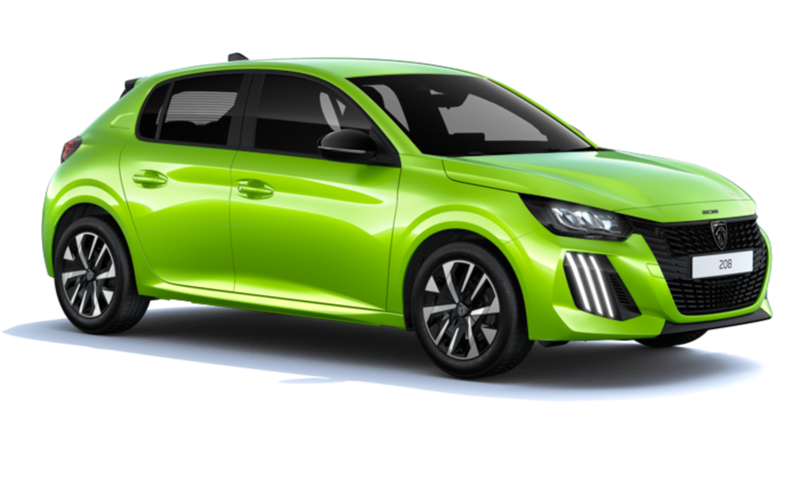
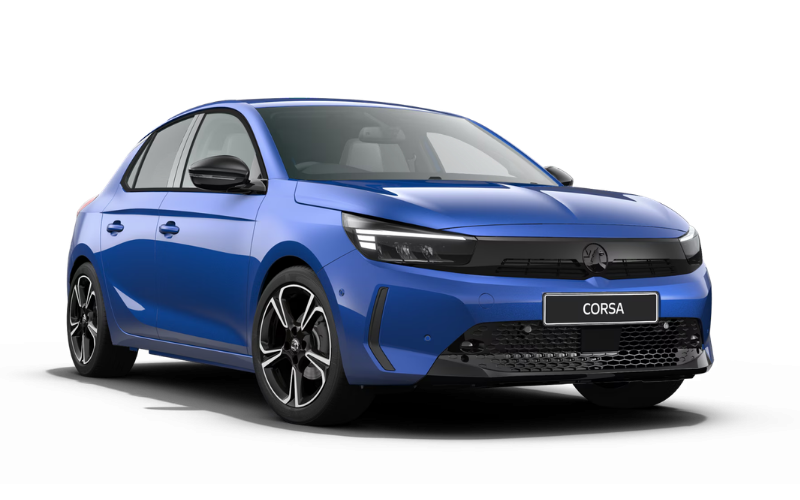
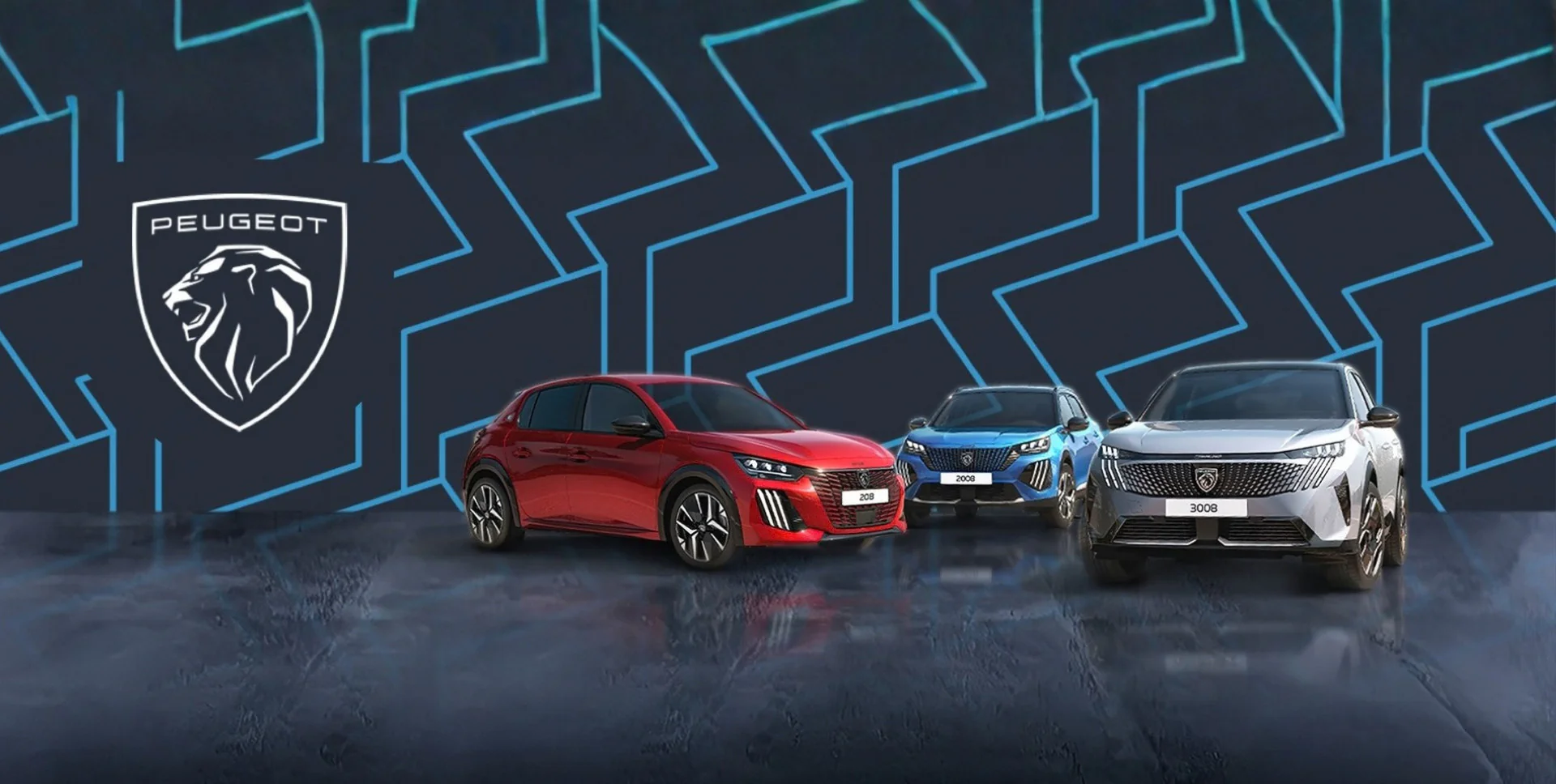
With eco-friendly choices growing in popularity with models such as All-new Peugeot e-208 and All-new Vauxhall Corsa-e, we were keen to gauge how UK drivers really feel about electric cars, to determine whether the British public is likely to decide en-masse to accept an electric future. We surveyed 2,000 UK drivers about their thoughts on electric cars, and this is what we discovered...

They say that if you look after the pennies, the pounds will follow, and money certainly dominates the thinking when it comes to electric cars.
A quarter of the drivers we spoke to (26%) believe that it costs more to run an electric car than a standard fuel or diesel-powered car. In fact, two out of every three drivers (66%) named the price of electric vehicles as the biggest thing stopping them buying one.
So, should they be worried about the running costs? We crunched the numbers and, based on our analysis, the answer is no.
According to our calculations, switching from a diesel-powered car to an electric model could save the average driver a whopping £5,200.90 in running costs alone over the next ten years.
This saving equates to buying:
- 1,320 pints of beer
- 6,119 first class stamps
- 10 Manchester United season tickets (If you have a penchant for self-punishment)
- 7 Apple iPhone 12 64GB
- 2 Peloton bikes
Are electric cars more expensive to buy?
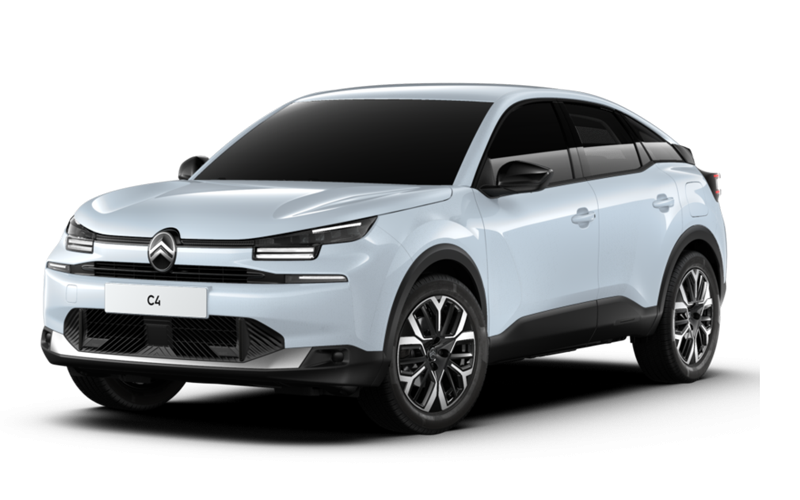
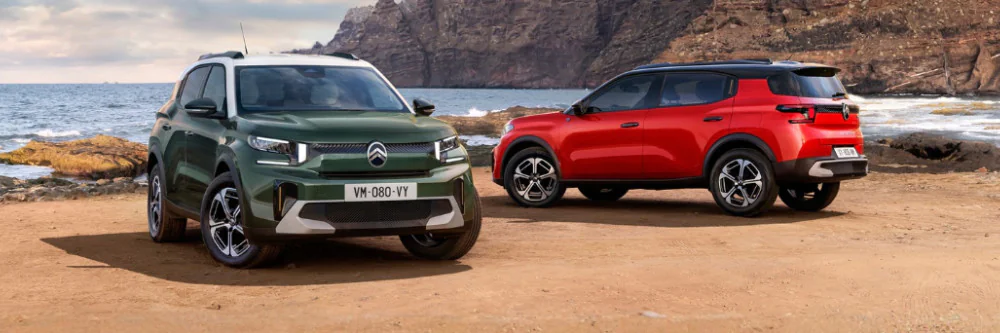
An electric vehicle can save you money in the long run thanks to various cost savings through fuel, taxes and government grants such as the £3,000 low-emissions and £350 OLEV grant, which can both be applied to a New Citroen e-C4. However the initial cost of buying an electric car is currently slightly more expensive.

Can an old dog learn new tricks?
Switching to an electric car is a big commitment, and many UK motorists were understandably apprehensive at the thought of adapting to a new type of car.
Many of those surveyed were concerned about the logistics of owning an electric vehicle, namely that they were worried about around how far you can travel on a single charge (47%) as well as access to charging points across the UK (44%).
They say that you can’t teach an old dog new tricks, and 18% say that they are concerned about their ability to get to grips with the features and the technology involved.
In our experience, owning and driving and electric car is very similar to having a petrol or diesel model. While electric cards are quieter in general, all other elements of the driving experience are familiar, so the switch is typically very straightforward.
The future’s bright, the future’s electric
Despite concerns around costs, it seems that the vast majority of UK drivers will be switching to an electric vehicle by 2030.
Three-quarters (76%) of the drivers we spoke to said they planned to own an electric vehicle by the end of the decade, with 25% looking to own an electric car by the end of 2023.
Some of us are planning to make the change very soon, with one in twenty motorists claiming that they will switch to an electric vehicle (either buying or leasing) in 2021.
Not everyone is convinced though, with 23% saying that they will NEVER own an electric car.
Summary
Should the government make good on their plan to ban the sale of brand new solely fuel-powered cars by 2030, then electric and hybrid cars will explode in popularity over the next decade.
The data suggests that a reduced reliance on fuel could save motorists money in the long run, with the everyday running costs of an electric car representing pretty good value.