











.webp)






















.webp)






















 Find us
 Contact Us
 My account

What Tax Benefits are There To Driving An Electric Car?
You’ll benefit from the tax advantages that come with choosing an electric vehicle, including lower running costs, potential Government incentives and reduce your environmental impact every day.
Electric Vehicle Tax Benefits
There are several tax breaks for EV drivers designed to encourage electric vehicle adoption in the UK. Whether you use an electric vehicle for business or private use, discover the different types of EV tax benefits before you decide to buy. You can also compare the cost of owning an electric vehicle with petrol, diesel or hybrid models using our handy electric car cost calculator.
What EV Tax Benefits are There in the UK?
The transition to electric vehicles (EVs) and green fuels is central to the government’s plan for reducing carbon emissions. The ultimate goal is for 100% of new car and van sales to be zero emission by 2035. However, in April 2025, some interim timelines were adjusted to the Zero Emission Vehicle (ZEV) mandate, which sets annual sales targets for car manufacturers. These include:
- The production of new pure petrol and diesel cars will cease by 2030
- New vans with internal combustion engines (ICEs) and fossil fuel plug-in hybrids may continue until 2035.
What does this mean for you?
It means that if you’re considering the switch to an electric vehicle, there are plenty of bargains around. Not only that, but you can also save up to £3,750 on a new electric car under the government’s electric car grant and save even more money with various EV tax benefits. That’s great news for the environment and for your pocket.

Examples of EV Tax Benefits
Here are some of the major tax benefits of electric vehicles, for both individuals and businesses.

Road Tax Benefits
From April 2025, electric vehicles became subject to road tax, formerly known as Vehicle Excise Duty (VED). This is calculated by your car’s price and carbon emissions. However, though EVs are now eligible for road tax, there are still tax benefits to be had for electric car owners:
- You’ll only pay the lowest tax rate of £10 for the first year on electric, zero or low emission cars registered on or after 1 April 2025.
- Older EVs registered between 1 March 2001 and 31 March 2017 continue to benefit from a reduced rate of £20 per year.
If you own an EV, you’ll pay the standard rate of £195 in the second year and thereafter. Additionally, EVs with a listed price over £40,000 are also required to pay a type of luxury car tax on top of their usual rate, adding £425 per year between the second and sixth year of registration.

Congestion Charge Benefits
Fully electric vehicles are currently exempt from many congestion charges, which apply to cars entering designated Clean Air Zones (CAZ). These aim to reduce urban pollution and are already active in London, Birmingham, and Oxford, with more cities set to follow.
EVs are also exempt from the London Congestion Charge. But the 100% discount ended on 25 December 2025, after which the new 25% discount applies. For businesses, these congestion tax exemptions offer a major financial advantage, particularly for company EVs operating within city centres.
Employee Tax Benefits for EV Schemes
Electric vehicles offer numerous tax benefits for companies, business owners, and employees who use company cars.

‘Benefit in Kind’
One of the biggest tax breaks of electric vehicles is their significantly lower Benefit in Kind (BIK) rate compared to petrol or diesel cars.
As with other perks, like gym membership or healthcare, company cars used for both business and personal travel are subject to BIK tax. The amount you pay depends on the vehicle’s CO2 emissions and list price (not the purchase price). For traditional petrol or diesel vehicles, the BIK rate can be as much as 37%.
In stark contrast, the Benefit in Kind rate for company car tax on EVs is 3%, up from 2% in April 2025. While the rate is due to increase annually until at least 2029/30, it remains much lower than BIK rates for internal combustion engine (ICE) and hybrid cars, offering substantial savings for businesses and employees.

'Fuel' Costs
Electricity isn’t classed as ‘fuel’ by HMRC, and several deductions and reliefs are available for EVs. That means any reimbursement from your employer for charging a company car will be tax-free in line with HM Revenue and Customs (HMRC) guidelines. This tax-free reimbursement is only available for business mileage, not private use or commuting to work.
However, individuals also benefit from EVs through cheaper running costs compared to petrol or diesel models. And, with an expanding choice of makes and models, along with EV tax benefits, electric cars remain a more economical long-term option.
There are several tax deductions and reliefs available for EV “fuel” (electricity), but understanding exactly what applies to your situation can be complex and HMRC guidance isn’t always straightforward.

Taxes on EV Charging
The cost of charging an EV and providing charging facilities can qualify for taxable benefit exemptions. Whether an employer is exempt from BIK tax for offering EV charging depends on:
Location: The charge point must be installed at or near the workplace and available to all employees. This includes charging personal vehicles.
Company car: The charge point is installed at the employee’s home address and paid for by the company, provided it’s used to charge a company vehicle.
Benefit: The employer pays for the cost of charging a company vehicle for the employee.

VAT
Although electric vehicles aren’t exempt from VAT (Value Added Tax), businesses can still reclaim 50% of the VAT if the EV is for business use only.
Companies can also claim back VAT on charging costs, provided the vehicle is use solely for business purposes.

Capital Allowance
In the first year of purchasing an electric vehicle, businesses can claim 100% capital allowances for the cost of an EV against pre-tax profits. The EV must be new and unused, and there’s no cap on its value.
This makes EVs an attractive option for company cars, particularly since tax relief on hybrid vehicles was withdrawn in 2021.

Grants for Electric Vehicles
On top of various tax benefits, you’ll find a range of grants available. A £650 million Electric Car Grant (ECG) was recently announced by the UK Government to boost the transition to EVs. This offers significant savings on some zero-emission electric cars that qualify for the scheme.
The government also offer an EV Chargepoint Grant (EVCPG), giving up to £350 or 75% (the lowest) off the cost of buying and installing a home charge point.
Browse our Electric Vehicle Range
Even with changes to road tax and congestion charges, there are still multiple EV tax benefits for both private drivers and businesses.
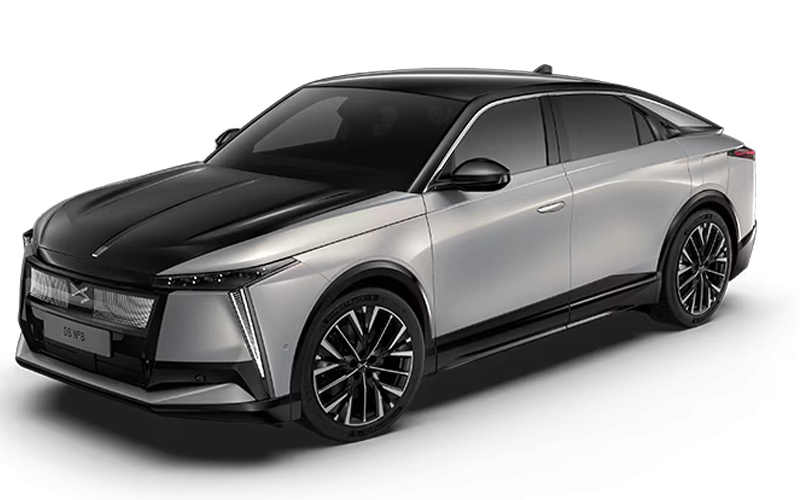
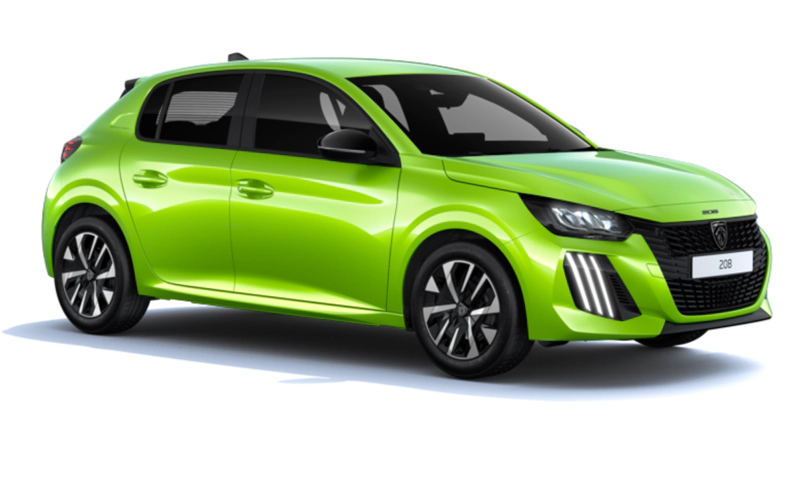
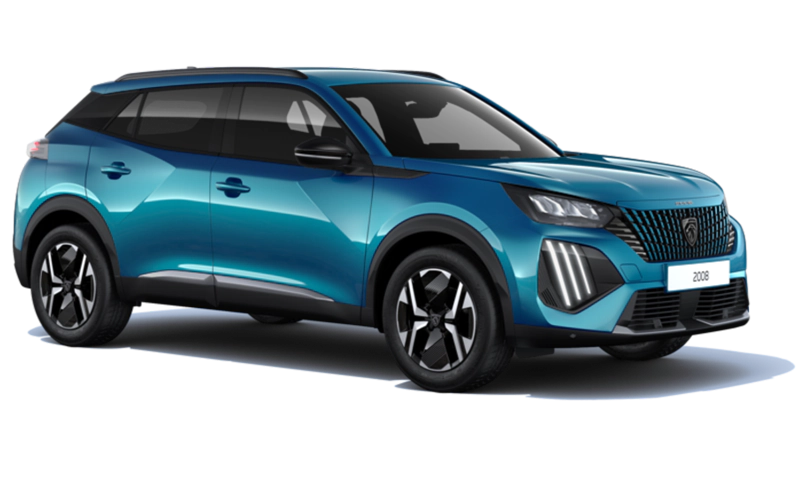
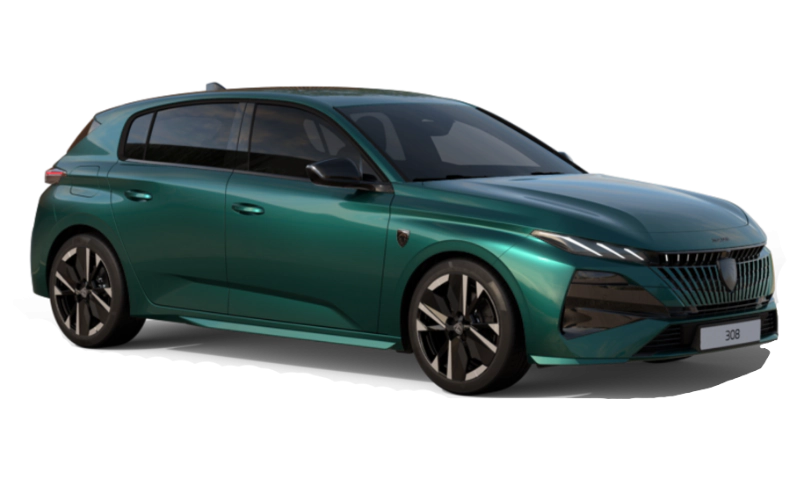
If you’re ready to switch to cleaner and more economical driving without the major expenses of owning a fossil fuel car, explore our range of electric vehicles or book a free 24-hour test drive today.

24-Hour Electric Test Drive
You can live with an electric car for a full 24 hours, to confirm you are making the right decision.
You’ll have the freedom and flexibility to drive an electric vehicle during your daily routine, in a way that suits you. Whether you’re running errands, commuting to work, or just experiencing a pleasant drive out in the country, it’s your choice. The 24-hour test drive is the only way to truly experience what it means to drive an electric car.
