










.webp)


















.webp)















 Find us
 Contact Us
 My account

A Guide to Electric Car Servicing and Maintenance
Find out if electric cars need servicing or an MOT. Our guide explains EV maintenance, MOT rules and how to keep your electric car running at its best.
Electric Vehicle Service & MOT
Electric Vehicles (EVs) are transforming the way we think about driving, quieter, cleaner, and often cheaper to run than their petrol or diesel counterparts.
Yet, one of the most common questions new owners ask is: “Do electric cars need servicing?” After all, with no engine oil, spark plugs, or exhaust system to worry about, it’s easy to assume that maintenance is a thing of the past. The truth is, while electric cars have far fewer moving parts and require less upkeep than traditional vehicles, they still need regular checks to stay safe, efficient, and reliable. From tyres and brakes to battery cooling systems and software updates, there’s more to EV care than meets the eye.
This guide breaks down everything you need to know about electric car servicing and maintenance, from MOT requirements and service intervals to cost comparisons, maintenance checklists, and practical tips for keeping your EV in top condition.
Do Electric Cars Need Servicing?
Yes, EVs need servicing. With fewer moving parts and no oil changes, EVs may seem almost maintenance-free, but that’s not quite the case. Servicing is still as crucial for keeping an electric car safe and efficient as it is for a combustion-engine vehicle.
During a service, technicians still carry out a range of inspections, from brakes and suspension to software updates and cooling systems, to ensure everything is working as it should. Skipping regular maintenance can reduce performance, shorten battery life, and affect the resale value of your car. Routine servicing gives peace of mind that your vehicle is roadworthy, reliable, and running at its best.


Do EVs need an MOT?
Electric cars might not produce emissions, but they’re still subject to the same safety laws as any other vehicle. Like all vehicle registered in the UK, once an EV reaches three years old, it must undergo an annual MOT to confirm it remains safe and roadworthy.
The test makes sure your EV is safe to drive and meets all the current roadworthiness standards. Since EVs produce no tailpipe emissions, they’re exempt from emissions testing, but the rest of the MOT remains the same.
What’s the Difference Between a Legal MOT and a Voluntary Service?
An MOT and a vehicle service aren’t the same thing. An MOT is a legal requirement for all vehicles over three years old in the UK, designed to confirm that your car meets road safety and environmental standards.
A service, by contrast, is a recommended maintenance check-up that follows your vehicle manufacturer’s schedule. It’s not legally required, but it’s crucial for preserving performance and safety, extending lifespan, and keeping your warranty valid.

How Often Should You Service an EV?
Just like petrol or diesel cars, EVs have recommended servicing schedules — though often at longer intervals. How frequently your electric vehicle needs attention depends on the manufacturer’s guidelines, your driving habits, and the car’s technology.
Most electric vehicles require a service every 12 to 24 months or between 10,000 and 20,000 miles (whichever comes first), depending on the make and model. If you’re unsure of when you’re EV needs a service, the information is typically outlined in the owner’s handbook and can vary depending on usage and vehicle type. Regular servicing at these intervals helps protect the car’s warranty and ensures the battery and motor continue to perform efficiently.


Factors That Affect Service Frequency
The frequency of servicing can depend on your driving habits and environment. These include:
- High mileage or frequent rapid charging can put more strain on systems.
- Stop-start driving or city use may wear brakes and tyres faster.
- Extreme temperatures can affect coolant and battery health.
Keeping to the recommended schedule ensures these systems are checked before they cause issues.
What Does an EV Service Cover?
An electric vehicle service includes a comprehensive inspection of any safety and performance components. Here’s what’s typically covered:
- Brakes & Brake Fluid - Regenerative braking reduces wear, but fluid and brake checks are still needed for safe stopping.
- Suspension & Steering - EV weight can put strain on the vehicle, so ball joints, mounts, struts, springs and shocks are inspected for wear or leaks.
- Tyres & Alignment - Extra torque can wear tyres faster so tread, pressure, and alignment are checked to maintain efficiency.
- Battery Cooling System - Coolant keeps the battery at a safe temperature and is replaced periodically to prevent overheating.
- High-Voltage System - Cables, connectors, and insulation are inspected for damage. Only trained EV technicians handle this safely.
- Software & Diagnostics - Regular updates and system scans ensure smooth operation of features like charging and regenerative braking.
- Cabin & Visibility Items - Filters, wipers, bulbs, and washer fluid are checked to keep the cabin comfortable and visibility clear.
- 12V Battery - A small battery powers lights and accessories; it’s checked for charge, condition, and secure connections.
- Gear Unit Fluid - Some EVs have a reduction gearbox that uses oil, it’s inspected or replaced at long intervals.


Keeping Your EV in Top Shape Between Services
Good maintenance doesn’t stop at the service centre. Developing few simple maintenance checks and habits can extend your EV’s lifespan and reduce running costs.
Things to look out for include:
- Check tyre pressure and tread depth monthly
- Test all lights, indicators and wipers
- Top up screenwash and keep sensors clean
- Listen for unusual noises or warning messages
Best Practices for Battery Health and Charging Habits
Your battery unit is the lifeblood of your EV, so taking care of it goes a long way to keeping your car healthy and in good condition for a long time. Some of the things you can do include:
- Avoid keeping the battery fully charged or fully depleted for long periods
- Charge slowly, when possible, especially overnight
- Try to park in shaded or cool areas to protect the battery from heat
- Use built-in charging timers to maintain optimal battery temperature

Common Myths of EV Services
Believe it or not, there are many myths around EV servicing and MOTs. Luckily, we’ve found some of the most common ones to dispel.
“EVs Never Need Servicing”
Not true! While EVs are simpler mechanically, they still need periodic checks on brakes, tyres, cooling, and software systems to stay roadworthy.
“Battery Replacements Are Needed Often”
Most EV batteries are designed to last many years, often outliving the vehicle itself. Proper charging habits and regular maintenance help maintain capacity over time.
“My EV Doesn’t Use Oil, So No Maintenance”
While there’s no engine oil in an EV, they still use coolants and lubricants in their drive units and battery systems that need attention at set intervals.
“I Can Service My EV Myself”
Electric vehicles use high-voltage systems that require specialist knowledge and tools. DIY servicing is unsafe and can void warranties, always use qualified technicians.
“Servicing Voids Warranty or Finance Agreements”
As long as maintenance follows the manufacturer’s recommended schedule and uses approved parts, servicing supports your warranty and can even improve long-term vehicle value.
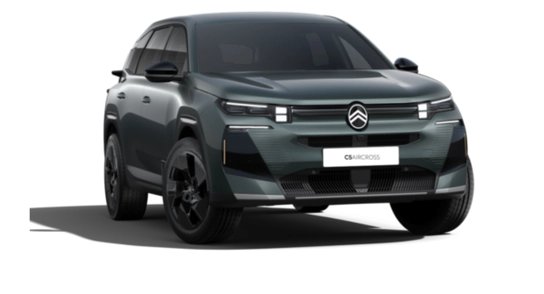
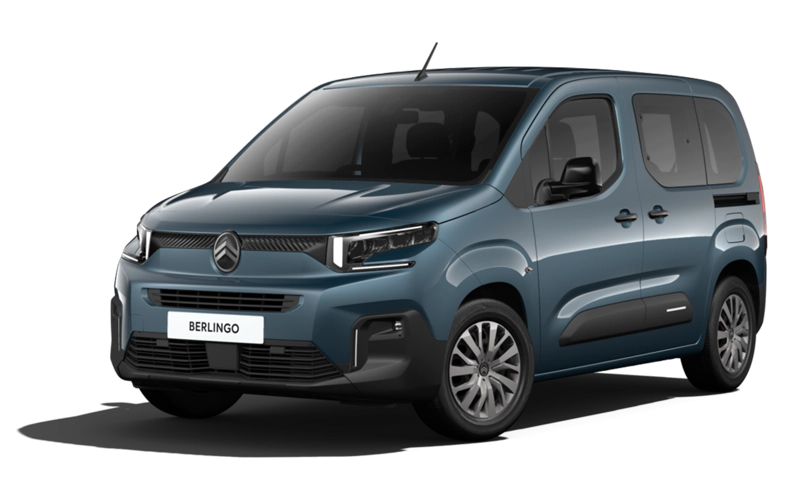
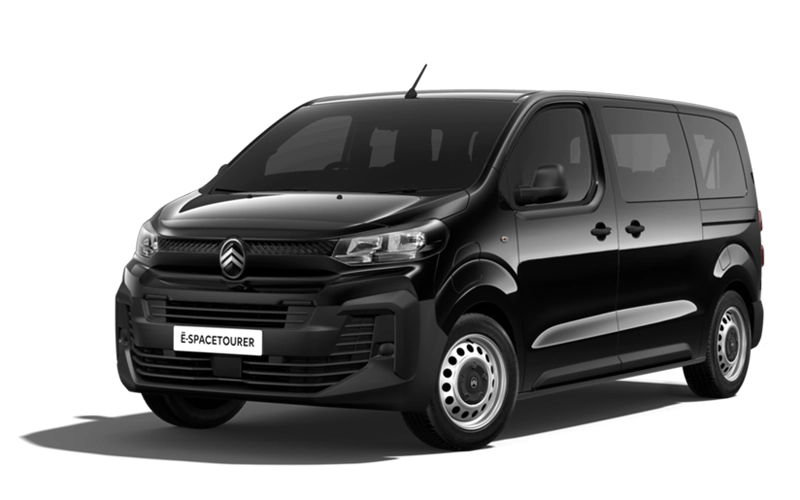
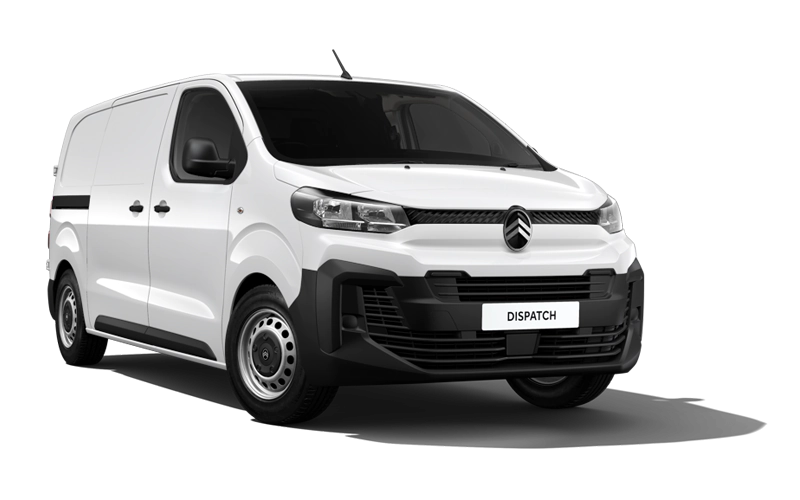
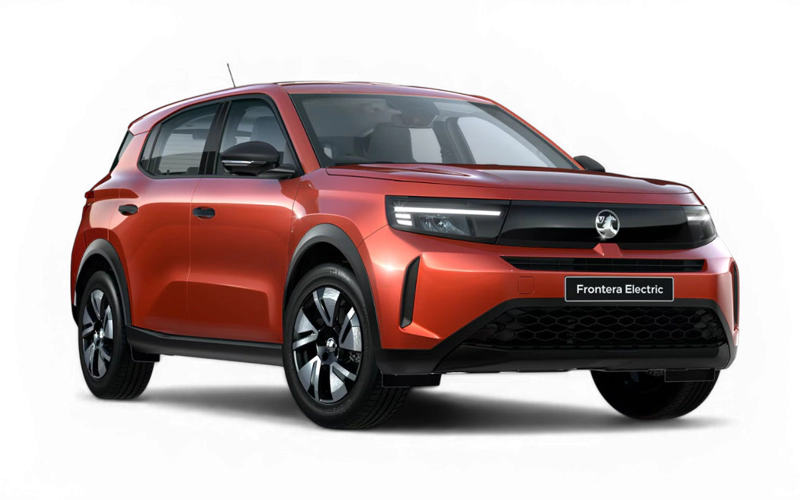
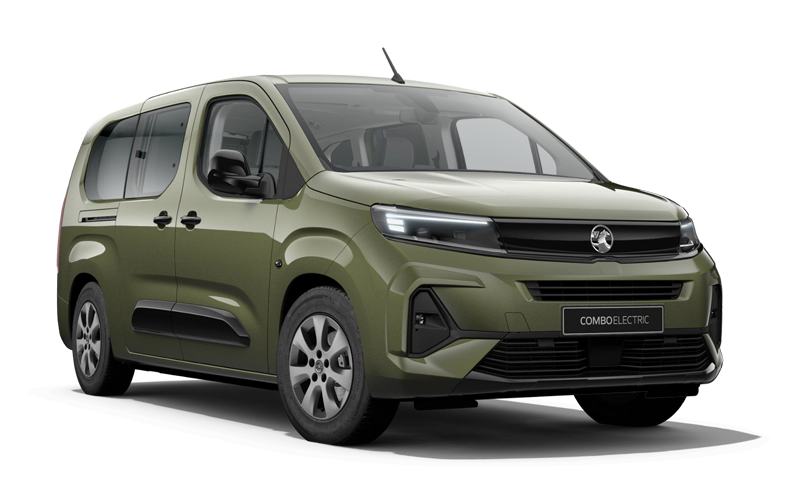
Choose your brand new EV with Stellantis &You
Ready to experience the convenience of electric driving for yourself?
Explore our full range of EV cars and find the model that suits you at the right price today. Already own a vehicle and looking for a trade-in or sell? Value your car in just a few clicks and see how easy it is to make the switch.
Already have an EV and need a service or MOT? Stellantis&You offer comprehensive services and MOTs for EVs, so book today. Get in touch with us with any questions you have about making the switch to an electric vehicle. Our team is always on standby and ready to help.
