









.webp)







.webp)








 Find us
 Contact Us
 My account

Driving an Electric Car for the First Time: Everything You Need to Know
Read our tips for driving an electric car for the very first time.
Driving an electric car for the first time: What to expect
Making the switch from a conventional vehicle to an electric car is both new and exciting. If you’re driving an electric car for the first time, this guide highlights the major differences (and advantages) to prepare you for the road.
If you’ve only driven a conventional vehicle, driving an electric car for the first time will be an unfamiliar experience. Most electric vehicle (EV) owners quickly adjust to a new way of driving and never look back. That’s because electric cars are usually easier to drive and more user-friendly than traditional petrol or diesel vehicles. With fewer pedals and mechanical quirks to worry about, getting behind the wheel of an electric car will seem like a doddle. Here’s why:

Electric vehicles are quiet
All electric vehicles and cars are extremely quiet to operate. That means it’s important to stay mindful of how silently you’re travelling for the safety of other drivers and pedestrians. While many manufacturers are legally required to add artificial sounds to improve EV safety, you should never assume that others can hear your approach.

Fully automatic driving
If you’ve driven an automatic vehicle before, you’ll know exactly what to expect when driving an electric car for the first time. With no traditional gearstick and clutch, you’re left with just two pedals to use – the accelerator and the brake – so your left foot can stay out of the way. The absence of a manual gearbox not only makes driving simpler, but there are also fewer mechanical components, which could reduce maintenance costs in the long run.

Smooth, responsive acceleration
The effortless acceleration of electric cars often comes as a big surprise to new EV drivers. Without manual gear changes, accelerating is typically smoother and more responsive than most petrol or diesel vehicles. With EVs, torque is delivered almost instantly, so it’s important to take extra care during your first few trips while you get used to the way the car responds and picks up speed.

Regenerative braking for battery boost
Most electric cars come with regenerative braking. This clever feature captures energy that would normally be lost when you apply the brakes and feeds it back into the battery to top up the range. When driving an electric car for the first time, regenerative braking feels like the vehicle is gently slowing down when you lift your foot off the accelerator. This means your battery charge will last longer – saving you both time and money spent on charging.

Impressive handling on the road
Electric cars normally use a clever platform with the battery and key components evenly spread beneath the cabin floor. This smart design lowers the car’s centre of gravity compared with conventional vehicles, providing drivers with enhanced stability, handling and a more confident feel on the road.

Bigger luggage compartments
Another electric car bonus is that no combustion engine is taking up space, leaving more room for luggage. The extra storage and boot space are particularly beneficial for weekend getaways, family holidays and transporting the pet dog. Ultimately, it offers greater flexibility and convenience when packing for the road.

Convenient charging options
If you’re new to EV driving, convenient charging options are a major advantage. They make daily use far more practical and stress-free, allowing you to charge at home overnight, at work, or at the expanding network of public charging stations and on-street charging. This reduces range anxiety and removes the pressure of planning trips around battery charges. From commuting to longer journeys, your EV will always be ready when you need it.

Long battery range
Electric car range is increasing thanks to improved battery technology, energy efficiency, and vehicle design. At the same time, improvements in electric drivetrains, regenerative braking systems, and aerodynamics help vehicles use energy more efficiently. This is great news for new and first-time EV drivers who can travel longer distances between charges, making them increasingly practical for everyday use and longer trips.
Practical tips for driving an electric car for the first time
Smooth driving and the early anticipation of hazards are essential for conserving energy in any type of vehicle. But where electric cars are concerned, it’s super important for maximising both range and efficiency. If you’re driving an electric car for the first time, follow these practical tips:

Drive efficiently and stay alert
Smooth driving and anticipating road conditions are key to preserving energy in any car, but especially in an EV.
Conserving energy and using regenerative braking effectively helps maintain your available range, reducing the frequency of charging.

Leverage regenerative braking
Take your foot off the accelerator when approaching junctions to let regenerative braking slow the car and recapture energy to boost your battery.
Similarly, coasting down hills or on motorways also helps save energy. Many electric cars also allow adjustable regenerative braking via paddles, buttons or touchscreen menus. Some EVs even feature a one-pedal mode that uses regenerative braking to bring the car to a complete stop, allowing you to accelerate and decelerate with just the accelerator pedal.

Pre-prepare your electric car with smartphone apps
Preparing your car’s battery and interior to the optimal temperature white it’s charging and before you set off helps conserve the battery and boost your range.
Known as pre-conditioning, the process can even be activated and managed conveniently through smartphone apps. In the app you can also monitor the vehicle’s available range, locate nearby charging stations and control pre-conditioning functions remotely

Limit the use of interior systems
Minimum use of electrical devices and systems can conserve battery power. For example:
- Use the driver-only air conditioning or turn off the AC completely when driving alone
- Use heated seats and steering wheels instead of the main heater
- Use the infotainment system sparingly, unless you’re relying on it for navigation
Book a 24 hour test drive
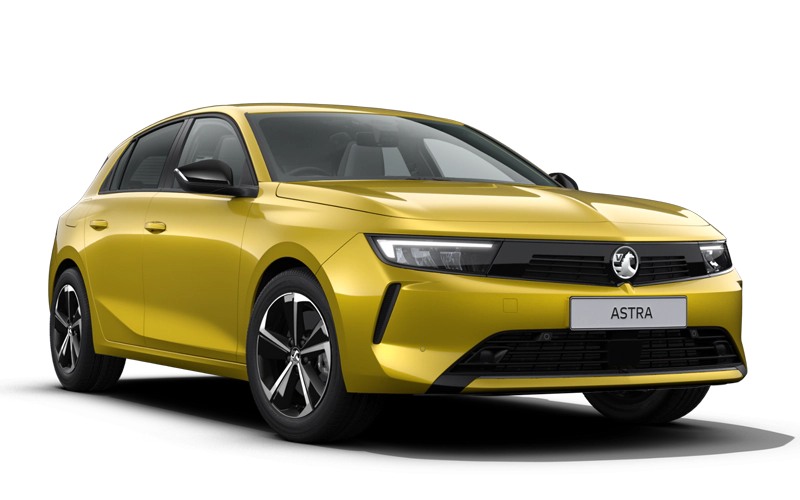
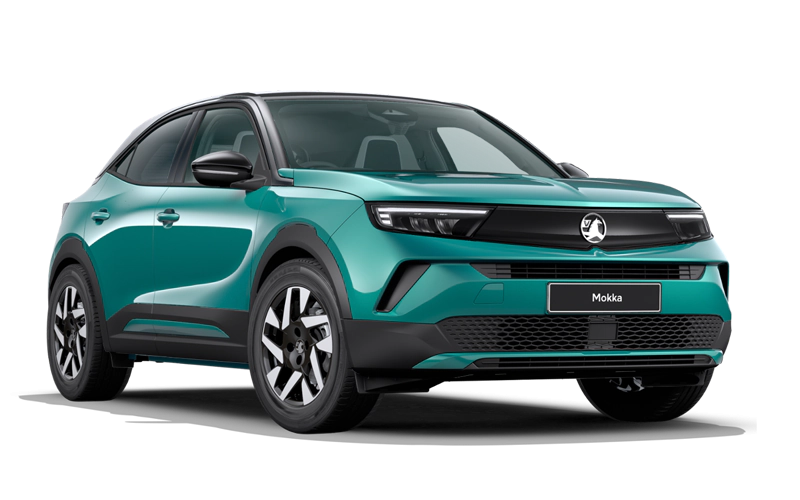
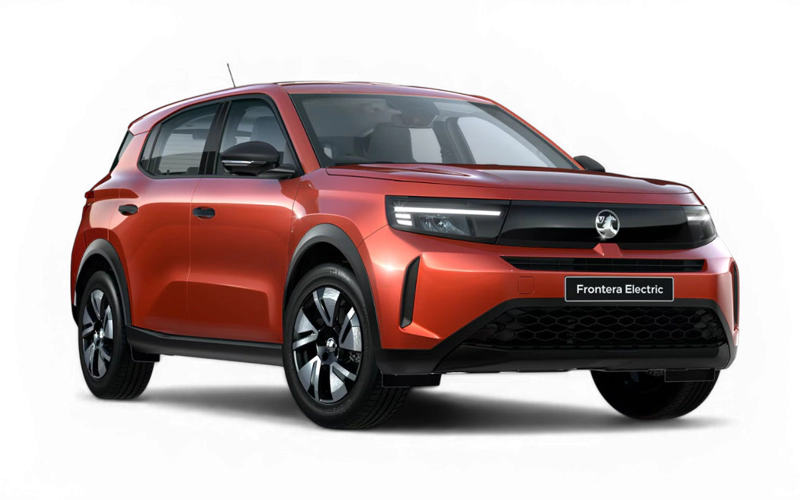
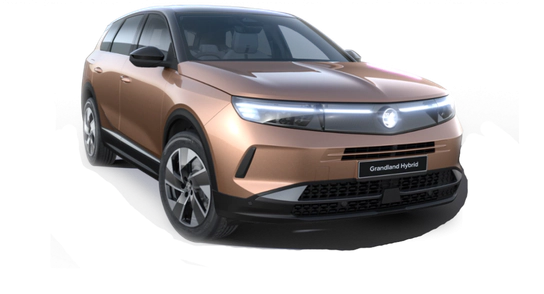
Are you considering choosing an electric car? Book a 24-hour test drive with Stellantis &You and experience what it really feels like behind the wheel of a modern EV.
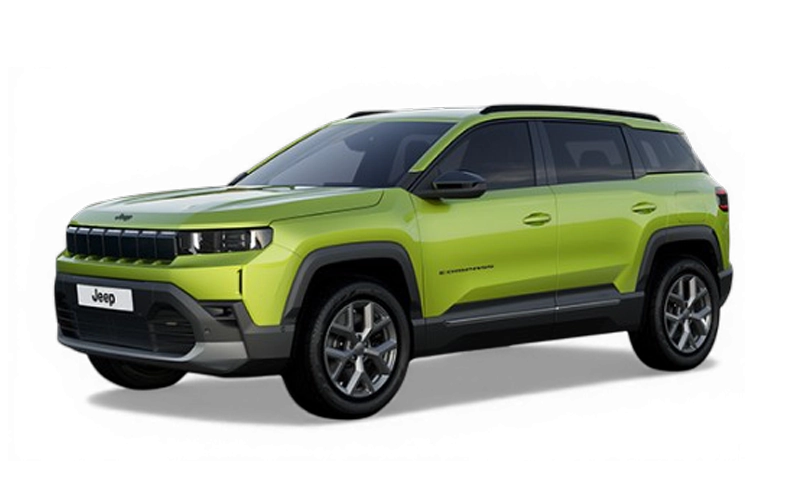
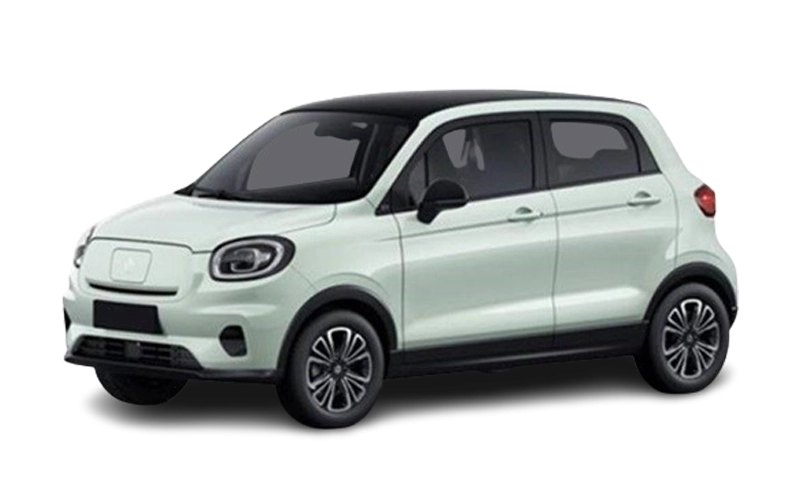
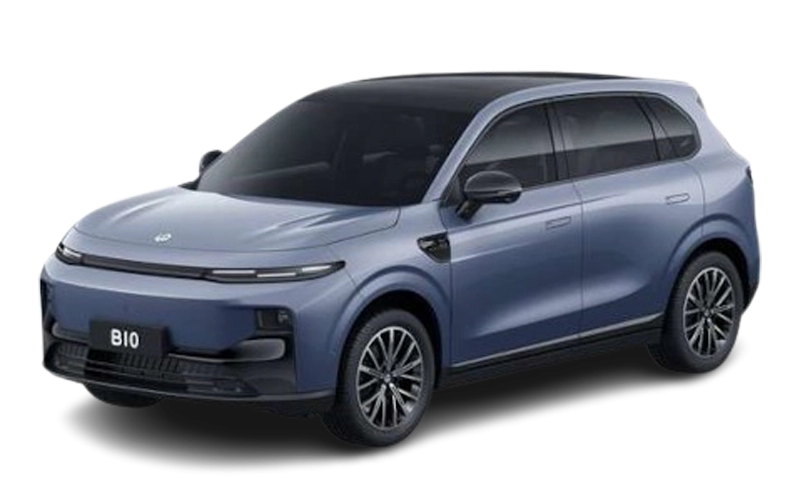
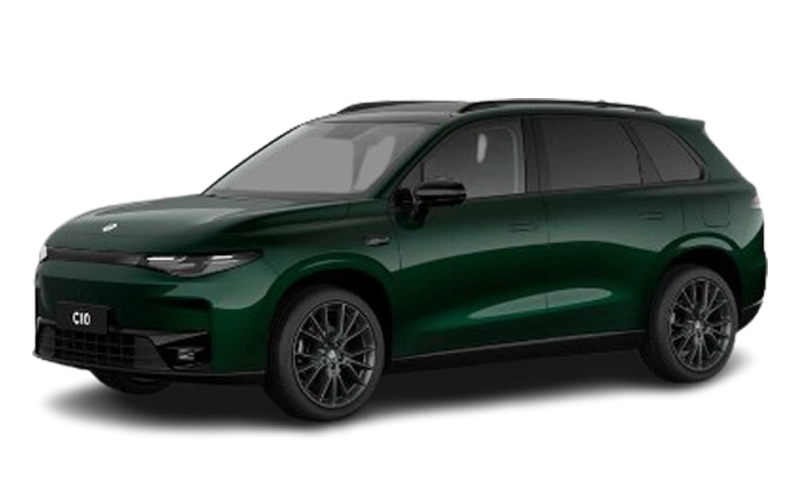
Feel electric for 24 hours and test drive your favourite electric vehicle from your local Stellantis &You UK dealership. Explore the outstanding technology, smooth drive and innovative features on our selection of electric and hybrid cars ranging from eye-catching hatchbacks to dynamic SUVs.
@2x.webp)
Driving an electric car FAQs
Here are some of the most frequently asked questions about driving an electric car for the first time:
-
Yes, electric cars make a noise. In fact, since 2019, government legislation requires all EVs to be fitted with an artificial noise system to alert other drivers and pedestrians. This typically produces a whirring or humming sound from an external speaker. Even then, extra caution is required when driving at low speeds and in busy areas.
-
Yes, you can take your driving test in an electric vehicle. However, this will result in an automatic-only licence that limits you to driving automatic cars. If you want to drive a manual petrol or diesel car, you’ll need to take a different test.
Interestingly, the test procedure for both automatic and manual cars is currently the same, although this may change in the future